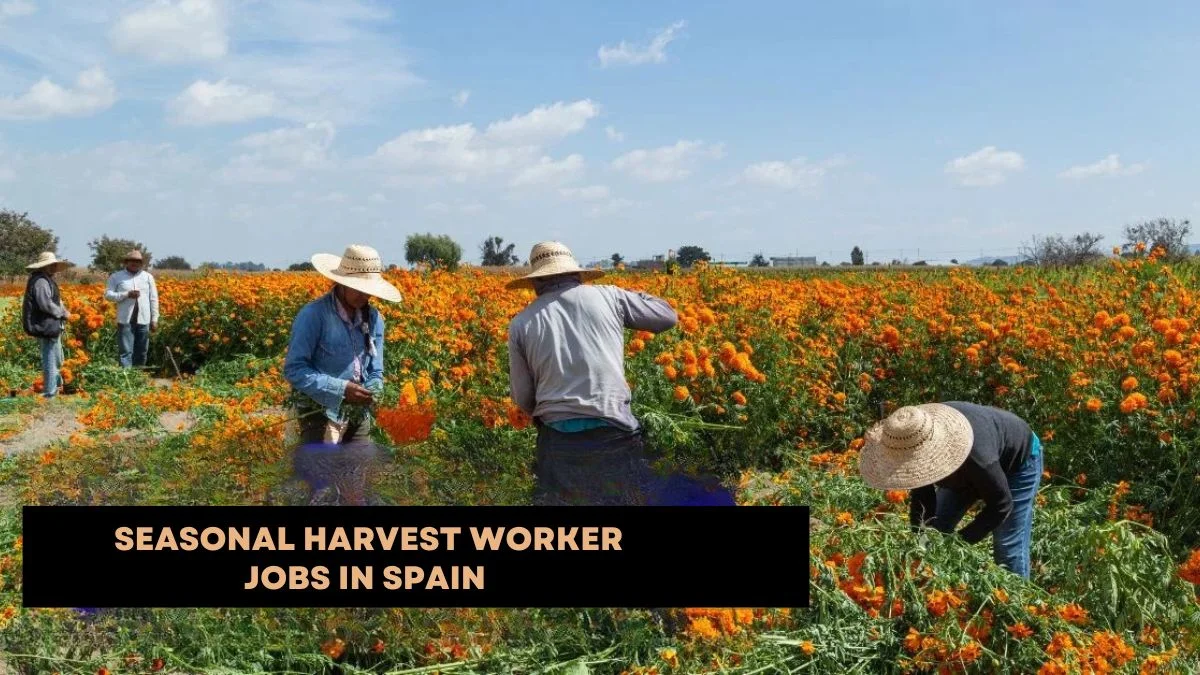
Spain’s farms burst with color every season, from golden olive groves to juicy orange orchards. In 2026, these fields need extra hands and many employers offer visa sponsorship to bring in workers from outside the EU.
If you enjoy outdoor work and want to earn while exploring a vibrant country, seasonal harvest roles could be your ticket. Let’s walk through everything you need to know, step by step.
Who Can Apply for These Sponsored Harvest Jobs?
Not everyone qualifies, but the door is open wider than you might think. Most jobs go to adults 18 and up who can handle physical tasks like bending, lifting, and long hours in the sun. Experience? Nice to have, but plenty of farms train newcomers on the spot.
Here’s what employers typically check:
- A passport valid for at least six more months.
- A firm job offer from a Spanish farm or hiring agency.
- Proof you’re healthy enough for farm work (a simple doctor’s note works).
- No serious criminal record.
- Basic Spanish helps, though English is fine on larger, export-focused farms.
Workers from countries like Morocco, Ecuador, or Senegal often get priority thanks to labor agreements. Check the Spanish Ministry of Inclusion for the latest eligible nationalities list.
Where the Jobs Are: Spain’s Top Harvest Hotspots
Spain’s regions each have their star crops and busy seasons. Andalusia leads for olives and strawberries, while Valencia rules citrus. These areas struggle to find local workers, so they sponsor visas faster.
| Region | Key Crops | Peak Months | Sponsorship Edge |
|---|---|---|---|
| Andalusia | Olives, strawberries, grapes | Oct–Dec (olives), Mar–May (berries) | Big operations hire in bulk; fast approvals. |
| Valencia | Oranges, lemons, mandarins | Nov–Apr | Export demand keeps visas flowing. |
| Murcia | Tomatoes, lettuce, melons | Year-round, summer peaks | Greenhouses offer housing + quick contracts. |
| Catalonia | Peaches, apples, veggies | Jun–Sep | Mix of family farms and large co-ops. |
| La Rioja | Wine grapes | Sep–Oct | High pay for speed; repeat hires common. |
Pick a region that matches your timeline. Want winter sun? Head to Valencia. Prefer fall vibes? La Rioja’s vineyards await.
How to Land a Visa-Sponsored Harvest Gig in 2026
The process is straightforward if you follow the steps. Start hunting for openings on sites like Fruitful Jobs or EURES, the EU’s official job portal. Polish a short resume that highlights any manual work or teamwork.
- Secure the job offer – Apply online, interview (often by phone), and sign a contract spelling out pay, hours, and duration (usually 3–9 months).
- Employer applies for your work permit – They file with the local Aliens Affairs Office, proving the role can’t be filled locally.
- Collect your documents – Passport, recent photos, travel health insurance, and proof of €1,000+ in savings.
- Visit your nearest Spanish consulate – Submit everything; expect 4–8 weeks for approval.
- Fly in and register – Get your foreigner ID card (TIE) within 30 days of arrival.
Pro tip: Apply early—quotas for 2026 fill fast, especially for Morocco and Latin America.
A Day in the Life on a Spanish Farm
Mornings kick off around 6 or 7 a.m. You grab gloves and a hat, hop on the farm bus, and head to the rows. Tasks vary:
- Gently picking ripe fruit to avoid bruises.
- Filling crates and wheeling them to collection points.
- Sorting produce in shaded packing sheds.
- Helping clean fields or prune vines between harvests.
Breaks include fresh bread, cheese, and fruit—often provided. You’ll wrap by 3 or 4 p.m., leaving evenings free to explore nearby villages or rest. It’s hard work, but the rhythm feels rewarding, and teammates become fast friends.
Also Apply: Fruit Farm Worker Jobs in Spain with Visa Sponsorship 2026
Pay, Perks, and What You Take Home
Entry-level pickers earn €7–9 per hour, with bonuses for hitting daily targets. Grape harvesters in La Rioja can clear €1,800 in a good month thanks to speed incentives. After taxes and shared housing costs (€100–200/month), most workers save €600–1,200 monthly.
Standard perks include:
- Dorm-style lodging near the fields.
- At least one hot meal daily.
- Transport to and from work sites.
- Basic health coverage under Spain’s social security.
Some farms even cover the flight home if you finish the contract.
Real Challenges—and How to Beat Them
Heat, dust, and early starts test everyone. Rural areas can feel isolated, and basic Spanish goes a long way for safety instructions. Pack sunscreen, a reusable water bottle, and download a translation app.
Smart moves:
- Layer clothing for cool mornings and hot afternoons.
- Join WhatsApp groups for your farm to swap tips.
- Save overtime pay for weekend trips to Seville or Barcelona.
Frequently Asked Questions
What documents do I need for a Spain seasonal harvest visa in 2026?
You’ll need a job contract, passport, health insurance, and proof of funds submit them at your local consulate after your employer gets the work permit.
How much can I earn picking fruits in Andalusia with sponsorship?
Expect €800-1,500 monthly, with extras for overtime; olives and grapes pay more during peaks.
Can I bring family on a seasonal farm visa to Spain?
No, it’s for single workers only, but after a year in some cases, reunification options open up.