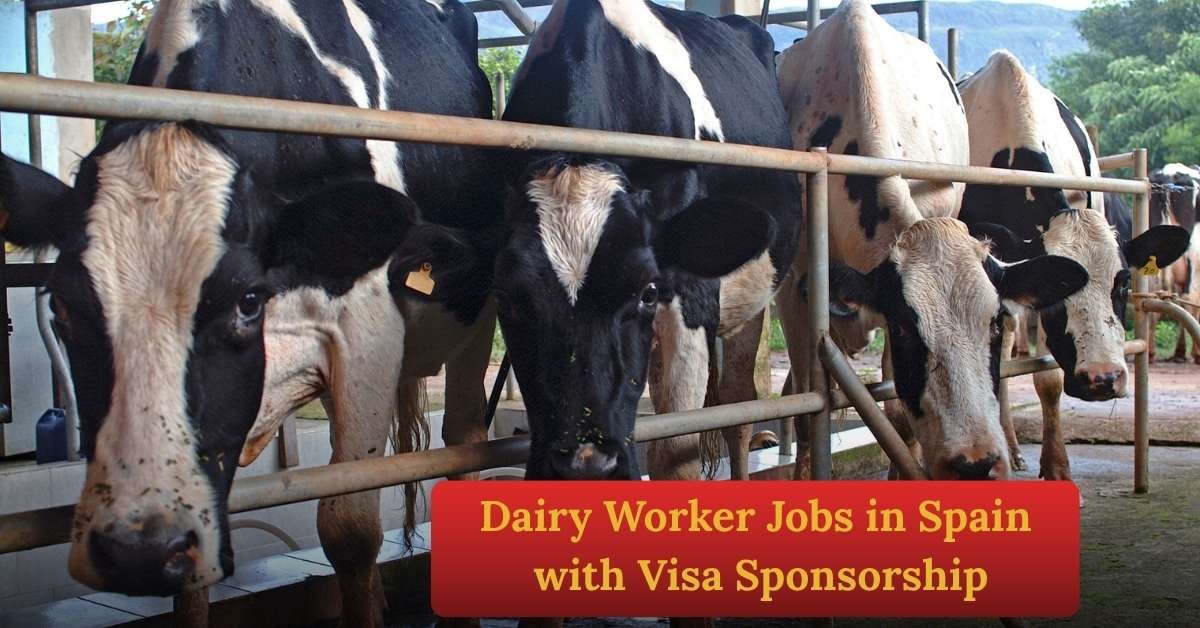
Spain’s dairy industry stands as a vital part of its agricultural backbone. With vast pastures and a strong demand for fresh milk and cheese production, farms across the country need reliable hands to keep operations smooth.
For non-EU workers seeking entry-level roles, dairy farm jobs offer a straightforward path. These positions suit those with basic skills, focusing on daily tasks like animal care and milk handling.
In 2026, visa sponsorship makes it easier for foreigners to join this sector, especially amid ongoing labor shortages. Let’s break down what you need to know to get started.
Why Dairy Farm Work Thrives in Spain’s Agriculture Sector
Spain leads Europe in agricultural output, using 33% of its land for farming and 16% for grazing. The dairy side plays a key role, producing items like Manchego cheese and fresh milk for local and export markets. Regions such as Galicia, Castilla y León, and Andalusia host most dairy farms, where cows roam green fields year-round.
Labor needs peak during milking seasons and calving periods, creating steady openings for helpers. Farms often face short supplies of local workers, leading to sponsorship for non-EU talent. This setup benefits everyone: farms stay productive, and workers gain stable income plus cultural exposure. Entry-level roles require no advanced training, just a willingness to learn on the job.
Key Roles for Entry-Level Dairy Workers
Dairy jobs in Spain focus on hands-on duties that anyone fit and eager can handle. These positions build skills over time, from basic care to equipment use. Here’s a quick list of common openings:
- Livestock Helper: Feed cows, clean stalls, and monitor health daily. Involves lifting feed bags and walking pastures.
- Milking Assistant: Operate milking machines twice a day, check for issues, and sanitize tools. Shifts start early, around 5 AM.
- Farmhand: Assist with general tasks like moving animals, repairing fences, or preparing feed. Flexible for seasonal hires.
- Dairy Processor Aide: Help sort and package milk products in on-farm facilities. Entry point for those interested in light indoor work.
These roles suit unskilled applicants, as farms provide short training sessions. Many farms offer team support, making the workday feel collaborative rather than overwhelming.
Visa Sponsorship Essentials for Dairy Positions
Securing a job with sponsorship starts with understanding Spain’s options for non-EU workers. The main route is the Seasonal Work Visa, ideal for dairy’s peak times. It covers up to nine months in a year, with chances to renew if demand holds.
For year-round roles, the General Work Visa applies, granting one-year permits that extend easily. Farms on Spain’s shortage list—via the Public Employment Service (SEPE)—skip full local hiring checks, speeding things up. Processing takes 1-3 months total.
Key perks include legal status from day one, plus access to public healthcare. Bilateral deals with countries like Morocco or Senegal ease entry for some nationals, but all need employer backing.
Quick Requirements Checklist
To qualify, meet these basics:
- Age 18 or older, with good physical health for farm labor.
- No criminal record; provide a clean police certificate.
- Basic English or Spanish helps, but not always required for hands-on teams.
- Proof of funds for initial travel, though farms often cover housing.
Employers handle most paperwork, proving your role fills a gap.
Step-by-Step Guide to Landing a Sponsored Dairy Job
Applying feels straightforward once you know the flow. Start by targeting farms in high-need areas. Use platforms like Indeed, LinkedIn, or Hijraleek to search “dairy farm worker Spain visa sponsorship 2026.” Many listings come from verified employers ready to sponsor.
- Find Openings: Scan job sites daily. Keywords like “dairy hand” or “livestock aide” yield results. Attend virtual farm fairs if available.
- Submit Applications: Tailor a simple CV highlighting any farm or manual work experience. Include a short cover letter: “I’m eager to contribute to your dairy team and ready for sponsorship.”
- Secure the Offer: Expect video interviews. Farms value reliability over fancy skills—mention your fitness and team spirit.
- Visa Process Kicks Off: Your employer files for work authorization at the local Aliens Office. Once approved, apply for the visa at your home country’s Spanish consulate.
- Travel and Settle: Enter Spain, register your address within 30 days, and get your Foreigner Identity Card (TIE). Farms often provide transport from the airport.
Stay patient—timelines align with seasons, like spring calving rushes. Track updates on the Spanish Ministry of Labor site for 2026 quotas.
Earnings and Daily Life on a Spanish Dairy Farm
Compensation in dairy roles reflects Spain’s fair wage standards. Entry-level workers earn €15,000–€25,000 yearly, or about €1,250–€2,000 monthly before taxes. Hourly rates hover at €6–€12, with overtime during busy periods boosting take-home pay. The national minimum is €1,134 monthly in 2026, but dairy often exceeds it due to shortages.
Benefits add real value:
- Free or low-cost housing in farm dorms or shared quarters.
- Meals from the farm, cutting food costs sharply.
- Paid holidays and sick leave, per Spanish labor laws.
- Transport to nearby towns for weekends off.
Life on the farm mixes routine with fresh air. Days run 8-10 hours, with breaks for coffee and chats. Evenings free up for exploring local markets or learning basic Spanish phrases. Many workers save 40-50% of earnings, sending funds home while building savings.
For a clear snapshot, here’s a simple table of average earnings by role:
| Role | Monthly Salary (Gross) | Annual Range (Gross) | Common Perks |
|---|---|---|---|
| Livestock Helper | €1,200–€1,500 | €15,000–€18,000 | Housing, meals |
| Milking Assistant | €1,300–€1,700 | €16,000–€20,000 | Overtime pay, health coverage |
| Farmhand | €1,100–€1,400 | €13,000–€17,000 | Seasonal bonuses |
| Dairy Processor Aide | €1,400–€1,800 | €17,000–€22,000 | Training included |
Figures based on 2026 SEPE data; actuals vary by region and hours.
Challenges and Tips for Success
Farm work demands stamina—early starts and weather exposure test your grit. Language barriers pop up, but apps like Duolingo bridge gaps fast. Homesickness hits some, yet farm communities foster quick bonds.
To thrive:
- Pack sturdy boots and work gloves; farms supply basics.
- Learn simple safety rules, like handling equipment carefully.
- Network with current workers via online forums for real insights.
With preparation, these hurdles turn into growth steps.
Frequently Asked Questions
Can beginners without farm experience get dairy jobs in Spain with visa sponsorship in 2026?
Yes, many entry-level dairy roles prioritize physical fitness over prior skills, with farms offering on-site training for sponsored positions.
What documents are needed for a Spanish seasonal visa in the dairy sector?
You’ll need a job offer, passport, health insurance proof, and a clean criminal record; your employer handles the work permit application.
How much can I expect to save from a dairy worker salary in Spain after expenses?
With €1,200–€1,800 monthly pay and farm-provided housing/meals, most workers save €500–€800 per month, depending on overtime.