Many people look for work opportunities abroad, and Australia stands out as a place where unskilled or low-skilled workers can find roles that come with visa support from employers. These jobs often exist in sectors facing labor shortages, especially in regional areas.
While most work visas focus on skilled professions, certain programs allow sponsorship for entry-level positions. This means you might not need advanced qualifications or years of experience to qualify.
Employers in industries like farming, hospitality, and manufacturing sometimes sponsor workers through special agreements.
Keep in mind that options are more limited compared to skilled pathways, but they do exist for those willing to relocate and contribute to the economy.
Key Visa Pathways for Low-Skilled Workers
Australia’s immigration system prioritizes filling gaps in the workforce. For unskilled roles, sponsorship isn’t straightforward under standard visas like the Temporary Skill Shortage (TSS) subclass 482, which mainly covers skilled occupations. Instead, pathways open up through regional arrangements or targeted programs.
One main route is the Designated Area Migration Agreement (DAMA). This allows employers in specific regions to sponsor workers for jobs not on the national skilled lists. DAMAs target areas with ongoing shortages, such as parts of South Australia, Victoria, or the Northern Territory.
Under these, you could get a TSS visa or even pathways to permanent residency if you meet conditions like working in the role for a set period.
Another option is labor agreements, where businesses negotiate directly with the government to bring in overseas workers for lower-skilled tasks. These are tailored to industry needs and can include sponsorship for roles in agriculture or aged care.
Programs like the Pacific Australia Labour Mobility (PALM) scheme also provide opportunities, though they’re often limited to citizens from certain Pacific countries and Timor-Leste. These focus on seasonal or short-term work in farming and hospitality, with employers handling visa costs.
In all cases, the employer must prove they can’t find local workers and meet fair pay standards. You typically need to pass health checks, have basic English skills, and show good character. Visas can last from a few months to four years, depending on the stream.
In-Demand Industries and Job Types
Certain sectors in Australia regularly seek unskilled workers and offer sponsorship to fill roles quickly. These jobs suit people starting out or switching careers, often providing on-the-job training.
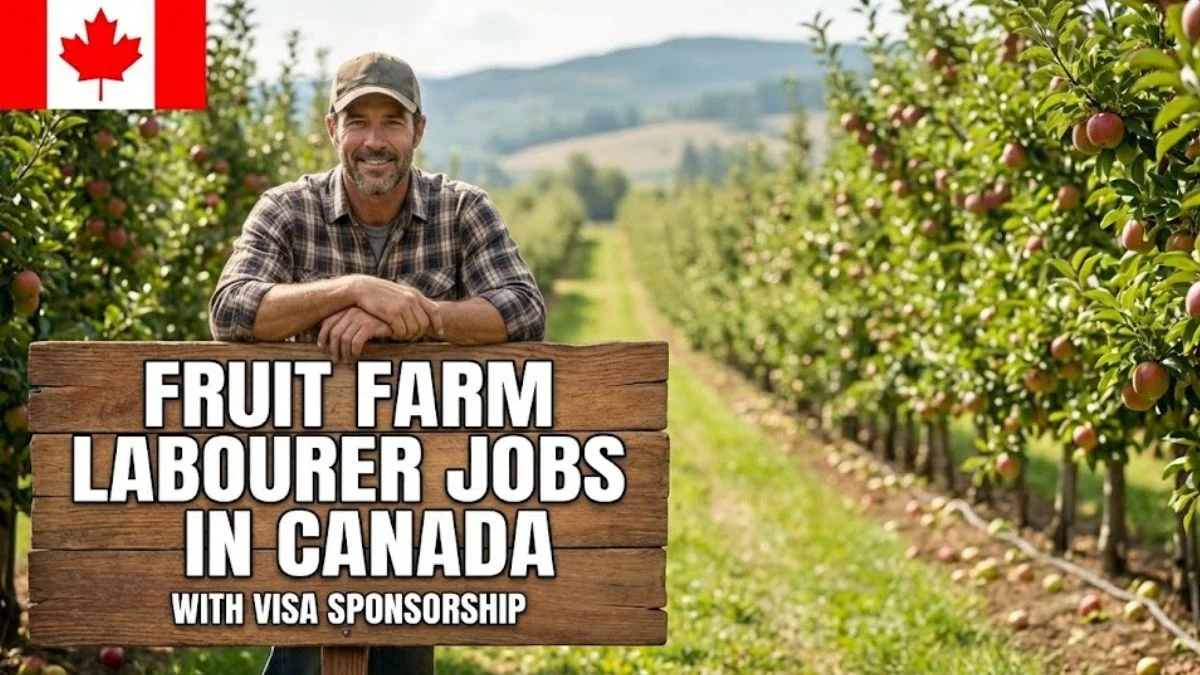
- Agriculture and Farming: This is a big area for entry-level work. Roles involve picking fruit, harvesting crops, or general farm labor. Employers in rural spots like Queensland or Victoria sponsor through DAMA or seasonal programs. You might handle tasks like planting, weeding, or packing produce. No prior experience is always needed, but physical fitness helps.
- Hospitality and Tourism: Hotels, restaurants, and cafes need staff for basic duties. Think kitchen hands, bar attendants, or housekeeping roles. In tourist-heavy regions, sponsorship comes via regional agreements. For example, a busy resort might sponsor cleaners or wait staff to keep operations running smoothly.
- Manufacturing and Processing: Factories, especially in meat processing or warehousing, hire unskilled laborers. Jobs include packing items, operating simple machinery, or loading trucks. Companies in places like Warrnambool offer positions for meat workers with no experience, including visa support.
- Construction and Laboring: Entry-level spots as general laborers or site assistants are available. These involve carrying materials, cleaning sites, or basic assembly. Sponsorship is more common in regional builds where local hires are scarce.
- Aged Care and Support Services: Helping elderly or disabled people with daily tasks is in demand. Roles like carers or assistants can get sponsorship under DAMA, especially in areas with aging populations.
Other spots include cleaning services and warehouse operations, where tasks are straightforward and training is provided. Wages start around AUD 20 to 25 per hour, with potential for overtime. Many roles offer stable hours, and some lead to longer stays if you perform well.
To give you a clearer picture, here’s a simple table outlining popular unskilled jobs, their typical duties, and average entry-level pay based on common listings:
| Job Type | Main Duties | Average Hourly Pay (AUD) | Common Locations |
|---|---|---|---|
| Farm Hand | Harvesting, planting, animal care | 22-25 | Rural Queensland, Victoria |
| Kitchen Assistant | Washing dishes, prepping food | 21-24 | Sydney, Melbourne suburbs |
| Cleaner/Housekeeper | Cleaning rooms, maintaining spaces | 20-23 | Tourist areas like Gold Coast |
| Warehouse Worker | Packing, loading goods | 22-26 | Industrial zones in Perth |
| Meat Processor | Basic cutting, packaging meat | 23-25 | Regional Victoria, NSW |
| Construction Laborer | Site prep, carrying materials | 24-27 | Regional construction sites |
This table highlights options that often include sponsorship. Pay can vary by region and employer, but it meets Australia’s minimum wage standards.
Requirements and Eligibility Basics
Getting sponsored starts with matching what employers need. You don’t always require formal education, but some basics apply across the board.
First, age matters—many visas have upper limits, like under 45 for some streams, though exceptions exist under DAMA. Health insurance is mandatory, and you’ll need to cover medical exams. English proficiency is key; even for unskilled roles, a basic test like IELTS with a score of 4.5 overall might be required.
Employers handle much of the paperwork, but you must provide documents like your passport, resume, and references. Police checks ensure no criminal history. Once sponsored, you commit to the job for the visa term, often in a regional area to qualify for extensions.
It’s worth noting that competition is high, so building skills like safe food handling or basic machinery operation can help. Some programs prioritize workers from specific countries, but others are open globally.
How to Find and Apply for These Opportunities
Start by searching job sites like Indeed, SEEK, or Jora, using terms like “visa sponsorship unskilled.” Filter for regional postings, as that’s where most chances lie.
Network through recruitment agencies specializing in migration, or check government sites for approved sponsors. Apply directly to companies in shortage sectors—many list openings with sponsorship noted.
Once you get an offer, the employer applies for approval, then nominates you. You submit your visa application online via the Department of Home Affairs portal. Processing takes weeks to months, so plan ahead. Costs include application fees around AUD 3,000, plus health checks.
Stay patient; rejections happen if the role doesn’t fit visa rules. But with persistence, many secure spots and build new lives.
Tips for Success in Your Application
To stand out, tailor your application to show reliability and eagerness to learn. Highlight any related experience, even informal.
- Prepare a simple resume focusing on physical work or team roles.
- Research the region—show you’re okay with rural living if needed.
- Get endorsements from past employers to prove your work ethic.
- Learn about Australian workplace rules, like safety standards.
These steps make you more appealing to sponsors facing shortages.
In the end, these opportunities let unskilled workers contribute while gaining experience in a welcoming country. With the right fit, it could lead to longer-term options.
Frequently Asked Questions
What are the main visas for unskilled jobs with sponsorship in Australia?
The Designated Area Migration Agreement (DAMA) and labor agreements allow employers to sponsor low-skilled workers in regional areas, often leading to Temporary Skill Shortage visas.
How can I find employers offering visa sponsorship for entry-level roles?
Search job boards like Indeed or SEEK with keywords like “visa sponsorship unskilled,” and target industries such as agriculture or hospitality in regional locations.
Do I need experience or qualifications for these sponsored unskilled positions?
No formal qualifications are always required, but basic English skills, good health, and a willingness to work in regional areas are essential for most opportunities.