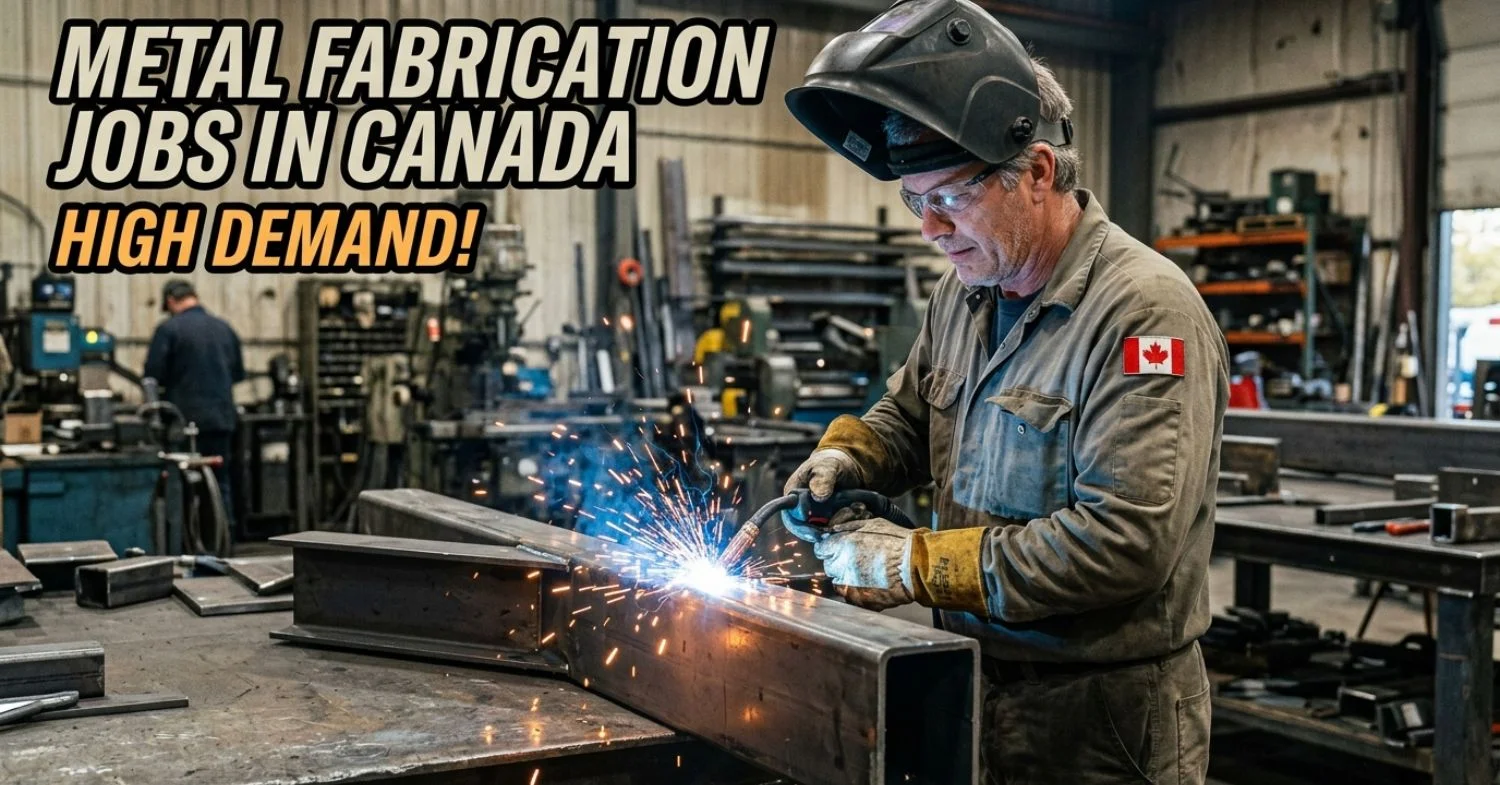
Canada is currently experiencing a significant period of industrial growth, creating a high demand for metal fabrication workers across the country. This sector is essential for building everything from bridges and high-rise buildings to cars and household appliances.
For people with fewer skills or those looking to enter a new trade, the metal fabrication industry offers a stable path with many entry-level opportunities. You do not always need a university degree to start; instead, many employers value a strong work ethic, physical fitness, and a willingness to learn on the job.
Understanding the Role of a Metal Fabrication Worker
Metal fabrication is the process of creating metal structures and parts by cutting, bending, and assembling raw metal materials. Workers in this field take large sheets or bars of steel, aluminum, and other metals and transform them into finished products. The work is hands-on and takes place in manufacturing shops or on construction sites.
While highly skilled fabricators use advanced machinery, there is a constant need for general laborers and helpers. These entry-level workers support the more experienced staff by preparing materials, cleaning work areas, and assisting with basic assembly.
This “learn-while-you-earn” environment makes it an ideal choice for someone who prefers physical work over sitting in an office.
Entry Level Opportunities for Unskilled Workers
If you have little to no experience in metalwork, you can still find employment in Canada. Many companies hire individuals as “Shop Helpers” or “General Laborers.” In these roles, your main responsibilities usually involve:
- Loading and unloading metal sheets and parts from trucks.
- Cleaning and grinding rough edges off metal pieces to make them smooth.
- Organizing tools and keeping the workspace safe and tidy.
- Moving heavy materials using carts or basic lifting equipment.
- Holding parts in place for welders or machine operators.
Starting in an unskilled position is the most common way to get your foot in the door. As you spend time in the shop, you will naturally learn how to use specialized tools and understand the different types of metal.
Most employers are willing to train hardworking individuals, eventually moving them into more technical roles like machine operation or basic assembly.
Essential Skills and Requirements for New Workers
While you may not need advanced technical training to start, there are a few basic requirements that most Canadian employers look for:
- Physical Strength and Stamina: You will be on your feet for long shifts and will often need to lift or move heavy metal objects.
- Basic Math Skills: You must be able to read a measuring tape accurately. Understanding simple fractions and decimals is very helpful for ensuring parts are cut to the right size.
- Manual Dexterity: Having good hand-eye coordination is important for handling tools safely and precisely.
- Reliability: In the manufacturing world, showing up on time every day is the most valued trait. Shops run on tight schedules and need a dependable team.
- Attention to Safety: Working with metal involves heat, sharp edges, and heavy machinery. Following safety rules is mandatory to prevent accidents.
Common Tools and Machinery Used in the Shop
Even as a beginner, you will quickly become familiar with various tools. Knowing what these are called can help you stand out during an interview:
- Angle Grinders: Handheld tools used to smooth down welds or cut through small pieces of metal.
- Measuring Tapes and Squares: Used to ensure every piece of metal is the correct length and the angles are perfectly straight.
- Drill Presses: Large machines used to create precise holes in metal parts.
- Bandsaws: Heavy-duty saws used to cut large bars or tubes of metal into specific lengths.
- Clamps: Used to hold metal pieces firmly together while they are being joined or worked on.
Top Provinces for Metal Fabrication Employment
Different parts of Canada have different needs for metal workers. Identifying which province has the most activity can help you focus your job search.
Ontario
Ontario is the heart of Canada’s manufacturing sector. It has the largest number of fabrication shops, particularly in cities like Toronto, Hamilton, and Windsor. The automotive and construction industries here are always looking for new workers.
Alberta
This province relies heavily on the oil, gas, and energy sectors. Large metal structures are constantly being built for industrial sites, which creates a steady stream of jobs for fabricators and shop helpers.
British Columbia
With a massive amount of construction and shipbuilding happening in cities like Vancouver and Victoria, B.C. is a great place for metal workers. The province is currently investing heavily in infrastructure projects that require large amounts of structural steel.
Quebec
Quebec has a strong aerospace and transportation industry. Workers here often fabricate parts for airplanes and trains. While French is often the primary language, many industrial zones are welcoming to diverse workers who have the right skills.
Average Wages and Compensation for Metal Workers
Wages in Canada vary depending on your experience level and where you live. Even at the entry-level, the pay is usually higher than minimum wage because the work is physically demanding and essential.
| Job Title | Estimated Starting Hourly Pay | Estimated Experienced Hourly Pay |
| Shop Helper / General Laborer | $18.00 – $22.00 | $23.00 – $26.00 |
| Metal Machine Operator | $22.00 – $25.00 | $27.00 – $32.00 |
| Metal Fabricator (Fitter) | $25.00 – $29.00 | $33.00 – $40.00 |
| Welder / Fabricator | $24.00 – $30.00 | $35.00 – $45.00 |
Most full-time positions also come with benefits, such as dental care, health insurance, and paid vacation time after a certain period of employment.
Workplace Safety and Regulations in Canada
Safety is a top priority in Canadian workplaces. Before you start your first day, you will likely receive safety training. You will be required to wear Personal Protective Equipment (PPE), which usually includes:
- Steel-toed Boots: To protect your feet from heavy falling objects.
- Safety Glasses: To shield your eyes from sparks or metal shavings.
- Hearing Protection: Shops can be very loud, so earplugs or muffs are often required.
- Gloves: Thick leather gloves protect your hands from heat and sharp edges.
Employers must follow strict provincial laws to ensure the workplace is safe. As a worker, you have the right to refuse work that you believe is dangerous and the right to be trained on any equipment you are asked to use.
Immigration Pathways for Foreign Workers
Canada is looking for workers from other countries to fill gaps in the labor market. If you are an international applicant, there are several ways to move to Canada for a metal fabrication job.
Temporary Foreign Worker Program (TFWP)
Many employers who cannot find local workers will look abroad. If a company offers you a job, they can apply for a Labour Market Impact Assessment (LMIA). Once approved, you can apply for a work permit to come and work for that specific employer.
Provincial Nominee Programs (PNP)
Provinces like Alberta and Saskatchewan have special categories for “In-Demand” occupations. If you have some experience or a job offer in metal fabrication, the province may nominate you for permanent residency.
Express Entry (Federal Skilled Trades Program)
For those who have already gained a few years of experience as a skilled fabricator or welder, this program offers a fast track to becoming a permanent resident of Canada.
How to Find and Apply for These Jobs
Finding a job in Canada requires a clear and simple resume. When applying for an entry-level role, focus on your physical abilities, any previous experience working with your hands, and your commitment to safety.
- Use Online Job Boards: Websites like Job Bank Canada, Indeed, and Workopolis are the best places to see current openings. Search for keywords like “metal laborer,” “shop helper,” or “production worker.”
- Contact Local Fabrication Shops: Many small to medium-sized shops do not advertise online. Sometimes, visiting an industrial park and dropping off your resume in person can lead to an immediate interview.
- Apprenticeship Offices: If you want to make this a career, contact the apprenticeship board in the province where you want to live. They can help you find an employer who is willing to train you as an apprentice while you work.
The metal fabrication industry is a pillar of the Canadian economy. Whether you are starting as a general helper or moving into a more technical role, the opportunities for growth are plentiful for anyone willing to put in the effort.