Austria is currently facing a significant labor shortage across various industries. This situation has created a unique opening for individuals from non-EU countries to find employment in roles that do not require high-level academic degrees or specialized technical training.
The Austrian government and local businesses are increasingly looking toward international recruitment to fill these gaps. While many people believe that moving to Europe requires being a doctor or an engineer, the reality is that unskilled and semi-skilled workers are in high demand.
These positions often come with visa sponsorship, allowing workers to live and work in the country legally.
The primary goal of the Austrian labor policy is to ensure that businesses in sectors like tourism, agriculture, and construction can continue to operate smoothly. To achieve this, the government has established specific pathways for foreign workers to enter the country.
By understanding which sectors are hiring and how the visa process works, you can position yourself for a successful move to one of the most stable economies in Europe.
High-Demand Sectors for Unskilled Labor
Several industries in Austria rely heavily on physical labor and manual tasks. Because there are not enough local workers to fill these positions, employers are authorized to hire from abroad.
Hospitality and Tourism
Tourism is a cornerstone of the Austrian economy. From the ski resorts in the Alps to the historic cafes in Vienna, there is a constant need for staff. You do not need a university degree to work in this sector, though a friendly attitude and a willingness to learn are essential. Common roles include:
- Kitchen Helpers: Assisting chefs with food preparation, washing dishes, and maintaining kitchen cleanliness.
- Housekeepers: Cleaning hotel rooms, changing linens, and ensuring guest areas are tidy.
- Waitstaff and Bussers: Serving food and drinks or clearing tables in restaurants and hotels.
- Porter Services: Helping guests with luggage and general maintenance around hotel grounds.
Agriculture and Forestry
Austria has a robust agricultural sector that requires a large number of workers during planting and harvesting seasons. These roles are often categorized under “seasonal work.” If you enjoy working outdoors and are physically fit, this is a very accessible route.
- Fruit and Vegetable Pickers: Harvesting crops such as apples, grapes for vineyards, and various vegetables.
- Farm Laborers: Assisting with the daily operations of a farm, including animal care and equipment maintenance.
- Forestry Workers: Helping with wood collection and forest maintenance, which is vital in Austria’s mountainous regions.
Construction and Manual Labor
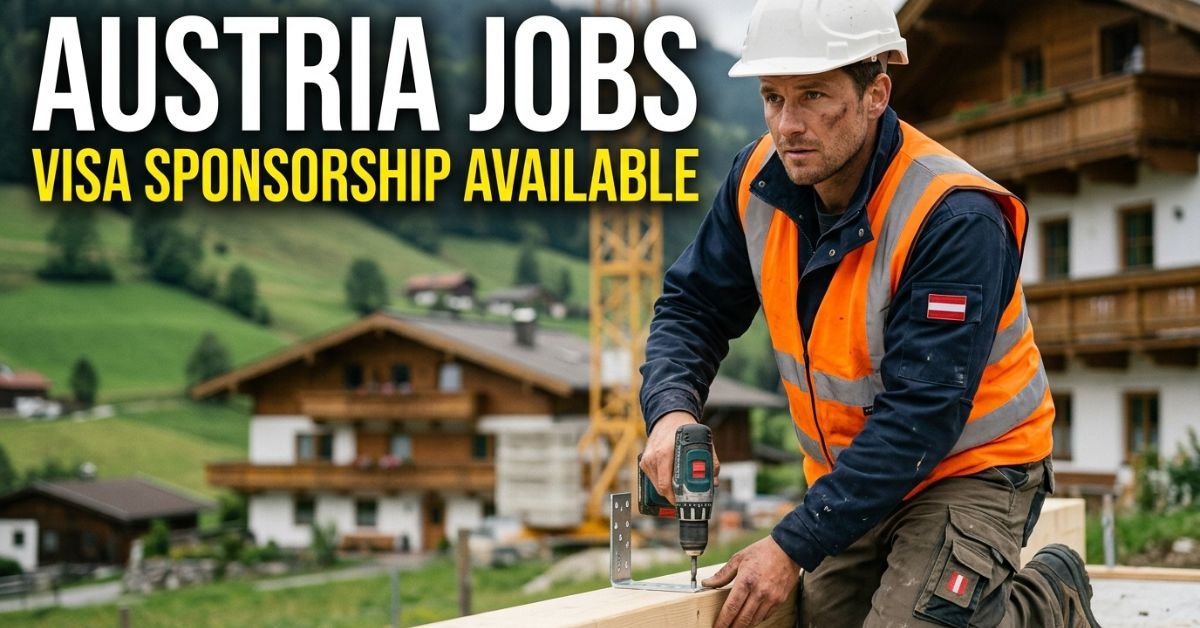
The construction industry is constantly growing, with new infrastructure and residential projects appearing across the country. While some roles require certification, many involve general labor that can be learned on the job.
- General Construction Laborers: Moving materials, cleaning construction sites, and assisting skilled tradespeople like bricklayers or carpenters.
- Roadworks Assistants: Helping with the maintenance and expansion of Austria’s highway and road systems.
Cleaning and Facility Management
Commercial cleaning is another sector with a high turnover rate and a constant need for new staff. This includes working for specialized cleaning companies that service offices, schools, and public buildings.
- Office Cleaners: Performing standard cleaning tasks after business hours.
- Industrial Cleaners: Working in factories or warehouses to ensure the environment meets safety and hygiene standards.
Understanding the Visa and Work Permit System
To work in Austria as a non-EU citizen, you cannot simply show up and start looking for a job. You must have a valid work permit, which is usually tied to a specific employer who sponsors your visa.
The two most common pathways for unskilled workers are the Seasonal Work Permit and the Red-White-Red Card for specific labor shortages.
The Seasonal Work Permit
This is the most common route for unskilled workers. The Austrian Public Employment Service (AMS) sets annual quotas for how many seasonal workers can be hired from outside the EU. These permits are typically valid for up to six months, though they can sometimes be extended or renewed in subsequent years.
The Red-White-Red (RWR) Card
While the RWR Card is often associated with highly skilled professionals, it also has a category for “Other Key Workers” and workers in “Shortage Occupations.” If a specific unskilled or semi-skilled role is listed on the regional shortage list, an employer can sponsor a worker under this scheme. This card is more permanent than a seasonal permit and allows for longer stays and family reunification.
Key Requirements for Foreign Applicants
Even though the jobs are classified as “unskilled,” there are still basic requirements you must meet to satisfy both the employer and the Austrian immigration authorities.
- Valid Passport: You must have a passport that is valid for at least six months beyond your intended stay.
- Job Offer: You cannot apply for a work visa without a written contract or a formal job offer from an Austrian employer.
- Clean Criminal Record: You will need to provide a police clearance certificate from your home country.
- Health Insurance: You must be covered by health insurance that is valid in Austria. Usually, once you start working, you are covered by the national social insurance system.
- Language Skills: For many unskilled roles, high-level German is not required. However, having a basic understanding (A1 or A2 level) greatly increases your chances of being hired and helps you navigate daily life.
- Physical Fitness: Many of these roles involve standing for long hours, lifting heavy objects, or working in various weather conditions.
Summary of Common Unskilled Roles
| Job Category | Common Roles | Typical Work Environment | Language Requirement |
| Hospitality | Housekeeper, Dishwasher | Hotels, Resorts, Restaurants | Low to Medium |
| Agriculture | Fruit Picker, Farm Hand | Outdoor Farms, Vineyards | Low |
| Construction | General Laborer | Building Sites, Roadworks | Low |
| Cleaning | Janitor, Room Attendant | Offices, Hotels, Malls | Low |
| Logistics | Warehouse Helper | Distribution Centers | Low |
Step-by-Step Application Process for Visa Sponsorship
Navigating the process of moving to Austria for work requires following a specific order of operations. You must be patient, as the paperwork can take several weeks or months to process.
- Find an Employer: Use job portals and recruitment agencies to find companies willing to hire non-EU workers. Focus on sectors like agriculture and tourism.
- The Labor Market Test: Before the employer can hire you, they must usually prove to the AMS that no suitable Austrian or EU citizen was available to fill the position. This is a standard procedure.
- Receive the Contract: Once the employer clears the labor market test, they will send you a signed employment contract.
- Submit Visa Application: You will take your contract, passport, and other documents to the Austrian embassy or consulate in your home country.
- Approval and Entry: Once the AMS approves your work permit, the embassy will issue your visa. You can then travel to Austria and begin your employment.
Typical Salaries and Working Conditions
Austria has very strong labor laws that protect all workers, regardless of their nationality or skill level. While “unskilled” jobs generally pay the minimum or entry-level wage, these wages are often much higher than in many other parts of the world.
Most sectors in Austria are governed by “Collective Agreements.” These agreements ensure that workers receive a fair wage, a specific number of vacation days, and mandatory bonuses. For example, most workers in Austria receive 13th and 14th-month salary payments—one for the summer holidays and one for Christmas.
The average work week is 40 hours, and any overtime is usually compensated with extra pay or time off. Employers are also required to ensure a safe working environment, providing any necessary protective gear for construction or agricultural work.
Useful Resources for Your Job Search
To find these opportunities, you should look at the official platforms used by Austrian employers. While some international job boards are helpful, local sites are often more effective.
- AMS Job Room: The official portal of the Austrian Public Employment Service.
- EURES: The European Job Mobility Portal, which lists many seasonal roles.
- Karriere.at: One of the largest private job portals in Austria.
- Seasonalwork.at: Specifically focused on roles in the tourism and agricultural sectors.
Finding an unskilled job in Austria with visa sponsorship is a practical way to enter the European labor market. By focusing on sectors with high demand and ensuring you have a legitimate job offer, you can enjoy the high quality of life and fair working conditions that Austria offers to its international workforce.