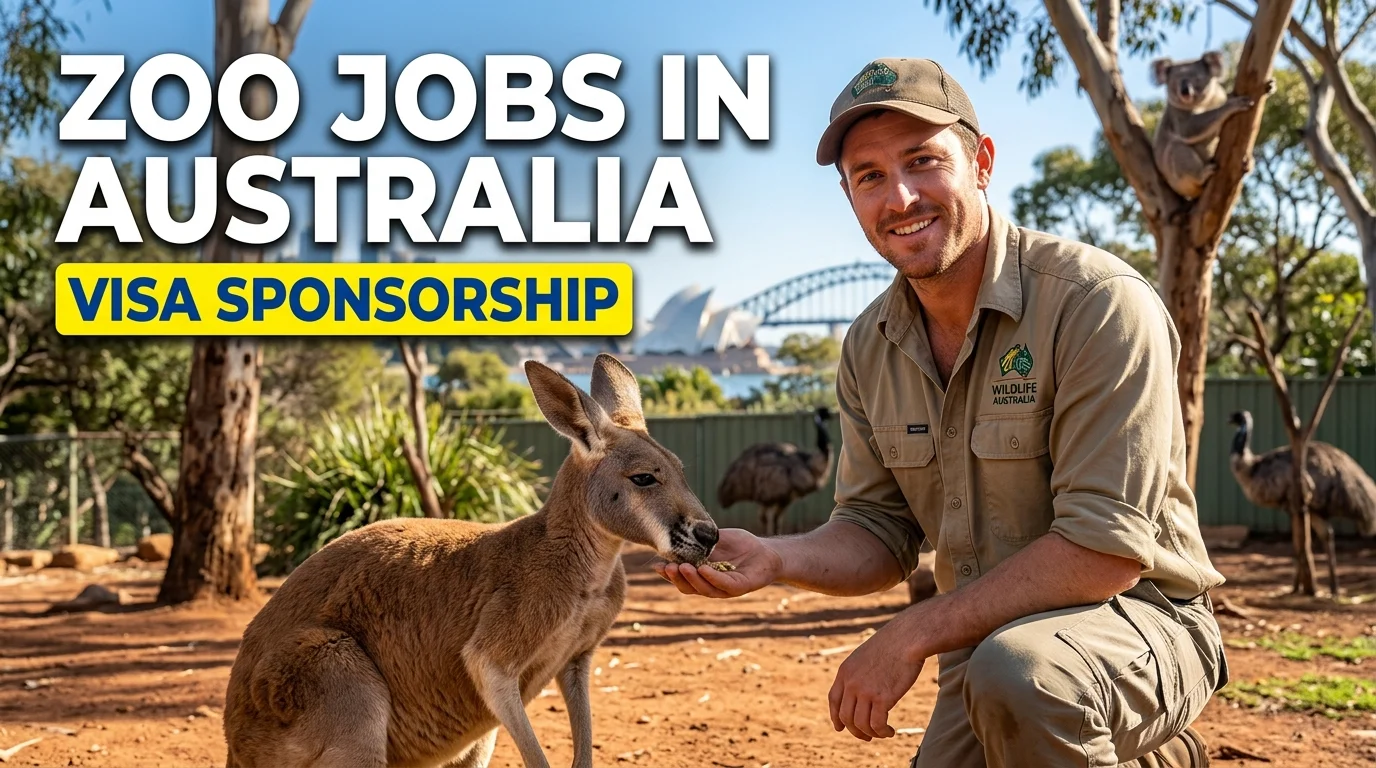
Australia is home to some of the most unique wildlife on the planet, making it a dream destination for people who want to work with animals. Many zoos and wildlife parks across the country face staff shortages, particularly in regional areas.
To fill these gaps, Australian employers often look for international workers and offer visa sponsorship. For those with limited formal education or specialized skills, there are still many pathways to secure a job and move to Australia.
Working in a zoo is not just about animal care; it involves maintenance, guest services, and groundskeeping, providing various entry points for unskilled or less-skilled individuals.
Entry-Level Roles in the Australian Zoo Industry
When looking for zoo jobs that offer visa sponsorship, it is important to understand the different types of roles available. Most people think of “zookeepers” first, but large wildlife parks require a huge support team. For those who are just starting out or have minimal experience, several roles are more accessible.
Animal Attendant
Animal attendants are responsible for the day-to-day care of animals. This is often considered an entry-level position where you assist senior zookeepers. Your primary duties include cleaning enclosures, preparing food according to strict nutritional guidelines, and ensuring that animals have plenty of water.
You might also help move animals between different areas of the park or help with basic health checks. This role requires a high level of physical fitness and a genuine love for animals.
Groundskeeper and Maintenance Worker
Zoos are massive properties that require constant upkeep. Groundskeepers ensure that the park looks beautiful for visitors and that the natural habitats for the animals are well-maintained. This involves mowing lawns, planting native vegetation, and repairing fences.
If you have basic hand-tool skills or experience in gardening, this can be a great way to enter the industry with a sponsored visa.
Guest Services and Ticketing
While these roles are less about the animals and more about the people, they are essential for the zoo’s operation. International workers are often hired in customer-facing roles, especially if they speak multiple languages.
Working in the gift shop, at the ticket counter, or as a park guide can sometimes lead to sponsorship if the zoo is located in a regional area where local staff are hard to find.
Understanding the Visa Sponsorship Pathways
Securing a job in a zoo from overseas requires a valid visa. Australia has several visa categories designed to help employers hire international talent when they cannot find a local worker.
Subclass 482 – Temporary Skill Shortage (TSS) Visa
This is the most common visa for sponsorship. It allows an employer to bring in a worker for up to four years. To qualify, you generally need to show that you have at least two years of relevant work experience. For less-skilled workers, this might seem difficult, but “Animal Attendant” and “Zookeeper” are both on the list of occupations that can be sponsored.
Subclass 494 – Skilled Employer Sponsored Regional (Provisional) Visa
This visa is specifically for jobs located in “regional” Australia, which includes almost everywhere except Sydney, Melbourne, and Brisbane. Many of Australia’s best wildlife sanctuaries are in regional areas. This visa is a great option because it encourages employers to hire from overseas to support local economies. It also provides a clear pathway to permanent residency after three years of working in the region.
Subclass 407 – Training Visa
If you have a little bit of experience but need more professional development, the 407 visa is an excellent choice. It allows you to come to Australia to participate in a structured workplace-based training program. Many zoos use this to train staff from overseas who want to improve their skills in animal husbandry or conservation.
The Role of Designated Area Migration Agreements (DAMA)
The DAMA is a special type of labor agreement between the Australian government and specific regional authorities. This is perhaps the most important pathway for unskilled or semi-skilled workers. DAMA programs allow for “concessions,” which means the standard visa requirements are lowered.
For example, under a DAMA, a zoo in a remote part of Northern Territory or Western Australia might be allowed to sponsor an animal attendant who has less experience than usually required. They might also offer concessions on the English language level or the minimum salary. This makes it much easier for international applicants from diverse backgrounds to qualify for sponsorship.
Essential Qualifications and Skills for Success
Even for roles labeled as unskilled, Australian employers look for specific traits and basic certifications. You do not always need a university degree, but having some foundational knowledge will make your application stand out.
- Physical Stamina: Working in a zoo is physically demanding. You will be on your feet all day, often in hot or wet weather, lifting heavy bags of feed or moving equipment.
- Safety Consciousness: Working around animals involves risks. Employers value workers who follow instructions perfectly and prioritize the safety of themselves, the animals, and the public.
- Basic Certifications: While not always mandatory, having a “Certificate II or III in Animal Studies” or a similar qualification from your home country can be very helpful. It shows you understand the basics of animal behavior and hygiene.
- Driver’s License: Many zoos are large and require staff to drive utility vehicles or tractors around the property. Having a valid license is often a requirement for maintenance and groundskeeping roles.
How to Find and Apply for Sponsoring Employers
Finding a zoo willing to sponsor can take time and effort. You should focus your search on major institutions as well as smaller, specialized wildlife parks.
- Check Major Zoo Websites: Large organizations like Taronga Zoo, Australia Zoo, and Zoos Victoria have dedicated “Careers” pages. They often list whether they are open to international applicants.
- Use Specialized Job Boards: Websites like SEEK and Indeed Australia are the go-to platforms. Use keywords like “Visa Sponsorship,” “Animal Attendant,” or “Groundskeeper” in your search.
- Target Regional Sanctuaries: Smaller parks in regional areas are more likely to have trouble finding local staff and are therefore more open to using the DAMA or regional sponsorship programs.
- Network on LinkedIn: Follow the curators and managers of Australian wildlife parks. Engaging with their content and reaching out professionally can sometimes reveal “hidden” job opportunities that aren’t advertised yet.
Summary of Zoo Positions and Visa Options
The following table provides a quick overview of common roles and the likely visa paths associated with them.
| Job Title | Main Duties | Recommended Visa Path |
| Animal Attendant | Cleaning, feeding, and basic care | Subclass 482 or DAMA |
| Zookeeper Assistant | Assisting with health checks and enrichment | Subclass 407 (Training) |
| Groundskeeper | Landscape and facility maintenance | Subclass 494 (Regional) |
| Wildlife Guide | Educating visitors about animals | Subclass 482 or 494 |
| Maintenance Hand | General repairs and fence building | DAMA or Subclass 494 |
Benefits of Working in Australian Wildlife Conservation
Working in an Australian zoo offers more than just a paycheck. It provides a unique lifestyle where you contribute directly to the protection of endangered species. You will gain hands-on experience with animals that are not found anywhere else in the world, such as quokkas, Tasmanian devils, and various species of reptiles.
Furthermore, Australia has strong labor laws that protect international workers. You are entitled to the same minimum wage, leave balance, and working conditions as any Australian citizen. This makes it a safe and rewarding place to build a new career.
Final Advice for International Applicants
When you apply for these roles, make sure your resume is formatted for the Australian market. Highlight any experience you have with manual labor, outdoor work, or volunteering with animals. Be clear about your current visa status and your desire for sponsorship.
Many employers are willing to help with the paperwork if they see that you are a hardworking, reliable person who is passionate about the zoo industry. Stay persistent, focus on regional areas, and keep improving your basic skills to increase your chances of success in the Australian wildlife sector.