Germany is one of the largest agricultural producers in Europe, and every year, the country requires hundreds of thousands of seasonal workers to help harvest its diverse range of crops.
For individuals looking for unskilled or less-skilled employment, the German agricultural sector offers a steady stream of opportunities that do not require university degrees or specialized professional training (Knapp, 2023).
Most of these roles involve manual labor, such as picking fruit, harvesting vegetables, and maintaining fields. Because the German population is aging and domestic workers often prefer office-based roles, farmers rely heavily on international workers to ensure their crops do not go to waste (Biaback Anong, 2023).
Understanding the Demand for Seasonal Labor
The need for seasonal workers is driven by the biological cycles of plants. Agriculture in Germany is highly seasonal, meaning there are short periods where a massive amount of labor is needed all at once.
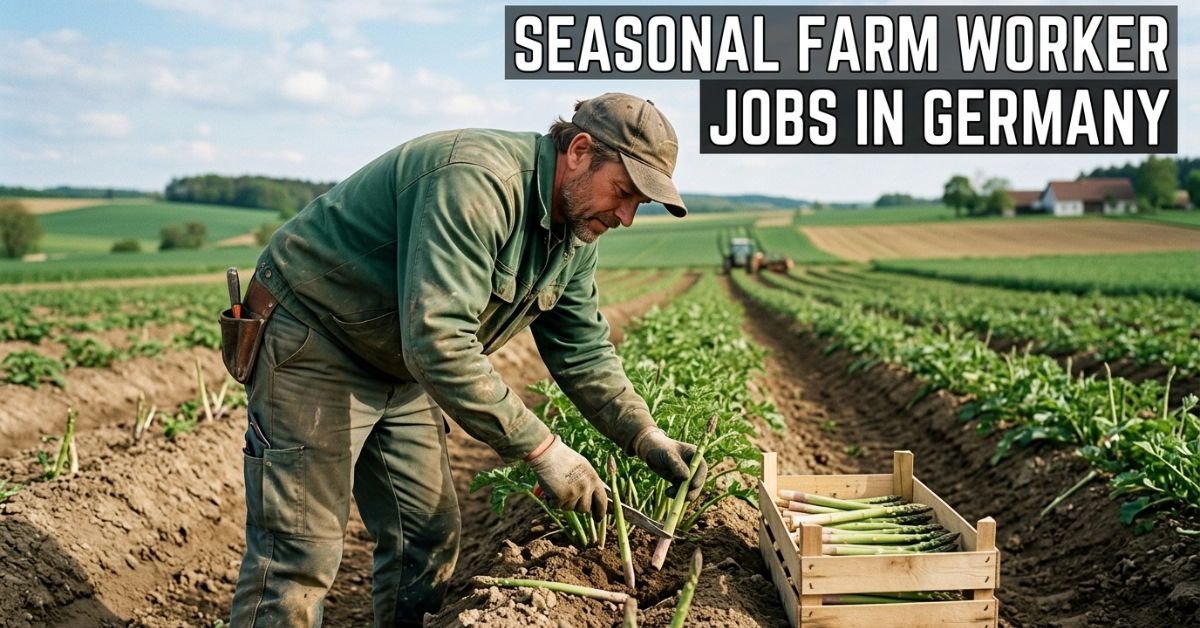
For example, during the “spargelzeit” (asparagus season), thousands of workers are needed to carefully dig white asparagus out of the ground by hand. This work is physically demanding but remains a vital part of the German economy.
Beyond asparagus, Germany produces large quantities of strawberries, cherries, apples, and wine grapes. Each of these crops has a specific window for harvesting. Farmers typically seek workers who are physically fit, reliable, and willing to work outdoors in various weather conditions.
Because many of these tasks are straightforward, they are perfect for people who may not have a high level of formal education but possess a strong work ethic.
Typical Roles and Responsibilities
When you apply for a farm job in Germany, your tasks will vary depending on the crop. Here are the most common roles available for unskilled workers:
- Fruit Pickers: Harvesting strawberries, blueberries, raspberries, and apples. This involves careful handling to avoid bruising the fruit.
- Vegetable Harvesters: Picking cucumbers, lettuce, and onions. Asparagus harvesting is the most famous and requires a specific technique to cut the stalks under the soil.
- Vineyard Workers: Pruning vines and harvesting grapes for Germany’s famous wine industry.
- Sorting and Packing: Working in sheds or warehouses to clean, weigh, and package the produce before it is shipped to supermarkets.
- General Farm Labor: Clearing fields, laying plastic sheeting, or setting up irrigation systems.
Current Minimum Wage and Earnings
One of the main reasons people seek seasonal work in Germany is the attractive pay compared to many other countries. Germany has a strict national minimum wage that applies to all workers, including seasonal farmhands (Herr, 2025). As of current regulations, the statutory minimum wage has been set at €13.90 per hour (Herr, 2025).
It is important to understand how your actual take-home pay is calculated. While the gross hourly rate is high, employers are allowed to deduct costs for accommodation and meals if they provide them. These deductions must follow legal limits to ensure workers still receive a fair amount of money. Many seasonal workers are employed under “short-term employment” rules, which means they do not have to pay certain social security contributions if their work period is limited to 70 days or three months within a calendar year (Biaback Anong, 2023).
Living and Working Conditions
Life on a German farm is focused on efficiency and hard work. Most workers live in accommodation provided by the farmer. This can range from shared apartments to specialized container housing on the farm premises.
A typical workday usually starts early in the morning, around 6:00 AM or 7:00 AM, to take advantage of the daylight and cooler temperatures. Shifts generally last 8 to 10 hours, and during peak harvest times, workers may be asked to work six days a week.
Under German labor law, you are entitled to regular breaks and a maximum number of working hours per week to ensure your safety and well-being (Hooper, n.d.).
Health insurance is a mandatory requirement for working in Germany. Usually, the employer will arrange a group insurance policy for seasonal workers to cover any accidents or illnesses that occur during the employment period (Ganty, 2026).
Requirements for International Workers
To work as a seasonal farmhand, you must meet basic eligibility criteria. While you do not need a degree, you must meet the following:
- Age: You must be at least 18 years old.
- Physical Fitness: The work involves bending, lifting, and standing for long periods. You must be in good health.
- Legal Documentation: Your ability to work depends on your nationality. EU citizens have the right to work freely in Germany. Non-EU citizens (third-country nationals) generally need a work permit or must come through specific recruitment programs managed by the Federal Employment Agency (ZAV) (Hooper, n.d.).
- Language: While fluent German is not required for picking fruit, knowing basic German or English is very helpful for understanding safety instructions and communicating with supervisors.
Harvesting Calendar by Crop
Knowing when to apply is essential because recruitment starts months before the harvest begins. The table below provides a general guide to when specific crops are harvested in Germany.
| Crop Type | Peak Harvesting Months | Primary Regions |
| Asparagus | April to late June | Lower Saxony, Brandenburg, Bavaria |
| Strawberries | May to July | North Rhine-Westphalia, Lower Saxony |
| Cherries | June to August | Baden-Württemberg, Saxony-Anhalt |
| Cucumbers | June to September | Brandenburg (Spreewald region) |
| Apples & Pears | August to October | Lake Constance region, Altes Land |
| Wine Grapes | September to October | Rhineland-Palatinate, Baden-Württemberg |
How to Find and Apply for Jobs
There are several ways to secure a seasonal position. Many workers return to the same farm every year, but for new applicants, these are the best paths:
- Federal Employment Agency (ZAV): The German government coordinates the placement of seasonal workers, especially those from countries with bilateral agreements like Georgia or Moldova (Hooper, n.d.).
- Private Recruitment Agencies: Some agencies specialize in connecting international workers with German farmers. Always ensure the agency is reputable and does not charge illegal upfront fees.
- Direct Contact: Many large farms have websites with “Jobs” or “Karriere” sections where you can apply directly.
- Online Job Portals: Websites specifically for agricultural work often list seasonal vacancies starting in January and February for the upcoming spring season.
Visa and Work Permit Regulations
For those coming from outside the European Union, the process is more regulated. Germany often uses the Seasonal Workers Directive, which allows people to work for up to 90 days in a 180-day period (Ganty, 2026). In some cases, this can be extended up to six months depending on the specific agreement between Germany and your home country (Hooper, n.d.).
The Western Balkans Regulation is another important pathway. It allows citizens from countries like Albania, Bosnia and Herzegovina, Kosovo, Montenegro, North Macedonia, and Serbia to take up any type of employment in Germany, including unskilled farm work, provided they have a binding job offer (Knapp, 2023).
Summary of Worker Rights
Germany takes labor rights seriously. As a seasonal worker, you are protected by law. You have the right to a written contract in a language you understand. This contract should clearly state your wages, working hours, and the duration of your employment. If you feel you are being treated unfairly or not receiving the correct pay, there are counseling centers and trade unions that provide support specifically for migrant and seasonal workers.
By understanding the harvest cycles and the legal requirements, you can successfully find a job that allows you to earn a competitive wage while gaining experience in one of the world’s most advanced agricultural systems.