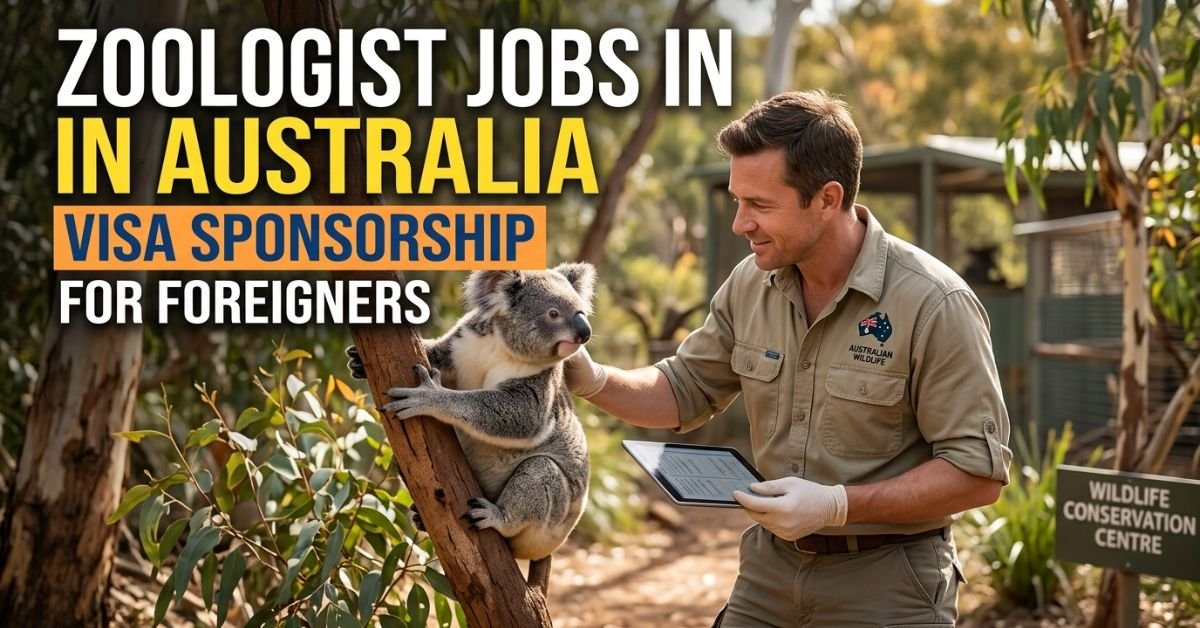
Australia is famous for its unique wildlife, such as kangaroos, koalas, and marine life. The country has a massive network of zoos, wildlife parks, and conservation reserves that require dedicated workers to care for animals.
While a professional zoologist studies animal biology and usually needs a university degree, there are other pathways available for international applicants.
Australia offers visa sponsorship pathways for people with less formal education or fewer high-level skills. If you love animals, you can look into entry-level roles like zookeepers, animal attendants, and kennel hands.
Many of these jobs come with visa sponsorship, meaning an employer helps you get a legal work visa. This guide breaks down how to find these opportunities and how the process works for foreign citizens.
Available Visa Sponsorship Options for International Applicants
To work legally in Australia as a foreigner, you must hold a valid visa. If you do not have permanent residency, employer visa sponsorship is one of the best ways to relocate. Under this system, an approved Australian employer proves they cannot find a local worker to fill a position, allowing them to hire someone from overseas instead.
There are several visa subclasses that apply to animal care and zoology roles:
- Subclass 482 (Skills in Demand Visa): This visa allows you to live and work in Australia for an employer who sponsors you. It can last up to four years, and it offers a pathway to permanent residency if you meet the long-term requirements.
- Subclass 494 (Skilled Employer Sponsored Regional Visa): This visa is meant for people who are willing to live and work in regional areas of Australia. Regional areas include most places outside of major cities like Sydney, Melbourne, and Brisbane. It lasts for five years and leads directly to permanent residency.
- Subclass 407 (Training Visa): This is a shorter-stay visa designed for people who want to take part in workplace-based occupational training. It helps you improve your job skills while working under an approved sponsor.
- Designated Area Migration Agreements (DAMA): This is a special program for regional parts of Australia. DAMAs are very helpful for less-skilled workers because they often lower the strict requirements for English language levels, salary thresholds, or work experience.
Entry-Level Animal Care Roles with Sponsorship Pathways
If you do not possess a formal bachelor’s degree in science, you should focus your job search on alternative animal care positions. The Australian immigration system groups these occupations under specific codes, and many of them are eligible for sponsorship, especially in regional areas.
Zookeepers
Zookeepers work directly in public zoos and private wildlife parks. Their daily tasks involve feeding animals, cleaning enclosures, monitoring health, and talking to visitors. To qualify for sponsorship as a zookeeper, you generally need an Australian Certificate III or IV qualification, or a few years of relevant on-the-job experience.
Animal Attendants and Kennel Hands
These workers assist in veterinary clinics, animal shelters, boarding kennels, and pet shops. The work involves basic care tasks such as washing animals, cleaning cages, transporting food, and walking dogs. This is a great entry point for individuals who want to build up their hands-on work history with animals.
Pet Groomers
Pet groomers specialize in maintaining the appearance and hygiene of domestic animals. They trim fur, clip nails, and bathe pets. This occupation is highly practical and relies more on physical skills and training certificates than on academic degrees.
Requirements for Foreign Workers to Apply
Even for less-skilled or entry-level positions, Australia has set specific rules to ensure workers can perform their duties safely. You must meet these standards before an employer can successfully sponsor your visa.
- Skills Assessment: Organizations like VETASSESS check your background to ensure your qualifications or work experience match Australian standards. For entry-level roles, you might need to show a relevant certificate or prove you have worked in the field for one to three years.
- English Language Proficiency: You must prove you can understand and speak English for workplace safety. This is usually done by taking a test like IELTS. For most sponsored visas, a minimum overall score of 5.0 is required, though some regional DAMA programs allow lower scores.
- Health and Character Checks: Every foreign worker must pass health examinations to ensure they do not carry serious illnesses. You also need to provide police clearance certificates from countries where you have lived to prove you have a clean legal record.
- Age Limits: While some temporary work visas do not have strict age limits, permanent residency pathways usually require applicants to be under the age of 45 or 50, depending on the specific visa stream.
Comparison of Animal Industry Roles for Migration
| Job Title | Minimum Education Level | General Work Experience Needed | Main Visa Pathways |
| Zoologist | Bachelor’s Degree | 1 Year Post-Graduation | Subclass 482, 186, 494 |
| Zookeeper | Certificate III / IV | 1 to 3 Years | Subclass 482, 494, 407 |
| Animal Attendant | Certificate II / III | 1 Year Experience | Subclass 494, 407, DAMA |
| Kennel Hand | Practical Training | 1 Year Experience | Subclass 494, DAMA |
Steps to Secure an Employer-Sponsored Job in Australia
Finding a job from outside Australia takes time and effort. Because employers must pay fees to sponsor foreign workers, you need to present yourself as a reliable and dedicated candidate.
- Create a Targeted Resume: Update your resume to follow the Australian format. Put your practical animal handling experience at the top. Mention any certificates, volunteer work, or specific animals you have worked with.
- Search Online Job Portals: Use websites like Indeed Australia, Seek, and specialized environmental job boards. Use search phrases like “visa sponsorship animal care” or “zookeeper sponsorship regional.”
- Contact Employers Directly: Look up wildlife parks, regional zoos, and large boarding kennels in Australia. Sometimes, companies in regional areas struggle to find staff and are open to sponsorship even if they do not have an active job ad.
- Prepare for Video Interviews: Be ready to talk about your practical skills over a video call. Show your enthusiasm for animal welfare and explain why you want to live and work in regional Australia.
Salary and Benefits for Animal Care Workers
Working with animals in Australia provides a fair income and good working conditions. Salaries vary depending on your location, your exact role, and your level of experience. A professional zoologist can earn between $65,000 and $120,000 per year. For entry-level positions like zookeepers, animal attendants, and kennel hands, the average salary ranges from $55,000 to $75,000 per year.
Employers in Australia must also contribute to your superannuation, which is a retirement savings fund. Working in regional areas often comes with lower living costs, allowing your salary to go further while you build a new life surrounded by Australia’s incredible wildlife.