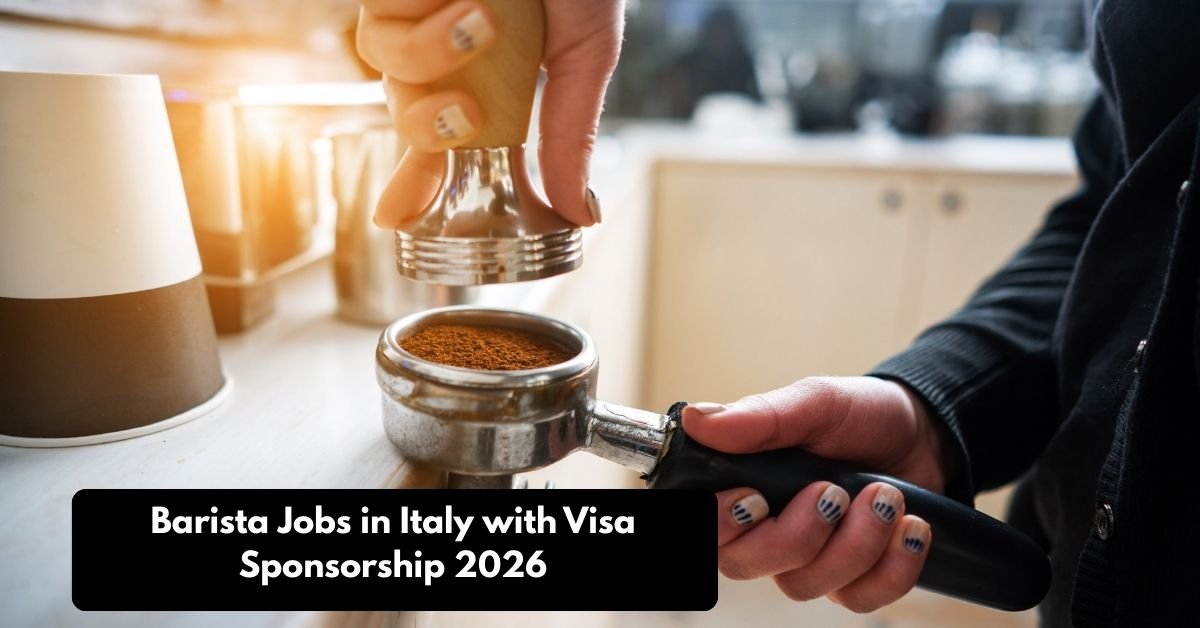
Italy’s coffee scene draws people from everywhere. Cafes fill streets in cities like Rome and Milan. For non-EU folks with little experience, barista work offers a real entry point. The hospitality field needs hands right now.
With the 2026 Decreto Flussi plan, up to 164,850 spots open for foreign workers. This includes roles in tourism and service jobs like making espresso. If you like quick chats and fresh brews, these positions fit unskilled starters well.
The job market stays strong. Italy’s tourism hits record highs each year. Cafes and bars hire fast to keep up. Non-EU workers fill one in four openings in hospitality. This means steady demand for baristas who bring energy and a smile.
Why Barista Roles Suit Beginners from Abroad
Barista jobs need basic skills you can pick up fast. No college degree required. Employers often train new hires on the spot. Focus stays on friendly service and simple tasks. This makes it ideal for less skilled persons looking to build a base in Europe.
Think about the daily flow. You pull shots, steam milk, and serve locals in a rush. It builds confidence quick. Plus, Italy’s cafe culture teaches you the ropes hands-on. Many spots in tourist areas use English too. This eases the start for non-Italians.
Opportunities spread wide. Northern cities like Milan buzz with modern coffee shops. Southern coasts gear up for summer crowds. Even small towns need help during peaks. The sector grows at 4.1% yearly through 2028. That pulls in more entry-level spots.
Key Skills and Qualifications for Entry-Level Baristas
You don’t need years behind the counter to land a role. Employers value attitude over fancy resumes. Here’s what counts most for unskilled applicants:
- Basic Customer Interaction: Smile and listen well. Handle busy mornings without stress.
- Simple Hygiene Rules: Keep counters clean and follow food safety steps. Training covers this.
- Team Fit: Work shifts with others. Share tasks like restocking beans.
- Language Basics: English helps in tourist spots. Italian comes with time on the job.
No prior cafe work? Many places train you in a week. Programs teach espresso pulls and milk froth. Cost runs low, around €200-300 for short courses. Check spots like Espresso Academy for options.
For non-EU folks, a clean health check and police record help too. These show you’re ready to start clean.
Navigating Visa Sponsorship for Non-EU Workers
Getting to Italy means sorting papers first. Non-EU citizens need a work visa tied to a job offer. Employers sponsor if they see a fit. The process starts with their application.
Under Decreto Flussi, quotas cover seasonal and year-round work. Hospitality gets a big slice—about 20% of spots. For 2026, expect openings from October pre-fills. Click days hit in early months.
Steps break down simple:
- Land a Job Offer: Employer checks if the role fits quota needs.
- Nulla Osta Approval: They file for work clearance. Takes weeks to months.
- Visa Application: You apply at the Italian consulate with their support docs.
- Enter and Register: Arrive, get residence permit within eight days.
EU Blue Card skips quotas for skilled roles, but barista fits standard paths better. Seasonal visas last up to nine months, perfect for tourism peaks.
Documents stay straightforward:
- Job contract with pay and hours.
- Proof of accommodation.
- Health insurance covering €30,000 min.
- Passport valid six months past stay.
Bureaucracy moves slow, so plan ahead. Agencies like Prowiden help match jobs and handle filings.
Top Places to Hunt for Sponsored Barista Positions
Finding roles takes targeted searches. Start online where employers post clear. Focus on sites listing sponsorship.
- Job Portals: Indeed and Glassdoor show 2,500+ barista listings in Italy. Filter for “visa sponsorship.”
- LinkedIn: Follow cafes in Milan (336 jobs) or Rome (205). Network with hospitality groups.
- Special Sites: EURES.eu lists EU-wide roles. Seasonalworkvisa.com flags foreigner-friendly spots.
- Local Boards: Check Italian embassy sites for approved recruiters.
Tourist hubs lead. Milan suits urban vibes. Rome mixes history with crowds. Coastal areas like Amalfi ramp up for summers.
Aim for chains or hotels. They sponsor more often. Smaller bars hire locals first but open up in peaks.
Life as a Barista: Pay, Shifts, and Daily Perks
Earnings start modest but cover basics. Beginners pull €1,200-1,500 monthly. Tips add €100-200 in busy spots. Experienced hands hit €1,500-2,000.
Shifts run 40 hours weekly. Mornings kick off at 6 a.m. Evenings wrap by 8 p.m. Weekends common, but overtime pays extra.
Perks sweeten it:
- Free meals during shifts.
- Health coverage through national system.
- Paid leave—four weeks min yearly.
- Some offer housing in seasonal gigs.
Costs balance out. Rent in shared spots runs €400-600. Groceries stay cheap at €200 monthly. Public transport helps too.
After five years, long-term residency opens. That leads to stability.
| Aspect | Details for Beginners |
|---|---|
| Monthly Salary | €1,200–1,500 + tips |
| Work Hours | 40/week, flexible shifts |
| Common Perks | Training, meals, insurance |
| Visa Duration | Up to 2 years, renewable |
| Language Need | English OK; Italian a plus |
This table sums entry points. Adjust based on city.
Steps to Secure Your 2026 Barista Spot in Italy
Ready to brew? Follow this path.
- Build Your Profile: Update resume with any service work. Highlight soft skills.
- Search Smart: Use filters for sponsorship. Apply to 10-15 weekly.
- Prep for Chats: Practice English answers on coffee basics. Show eagerness to learn Italian ways.
- Follow Up: Email employers post-apply. Ask about quotas.
- Handle Papers: Gather docs early. Use consulate sites for updates.
Patience pays. Many land roles in 2-4 months.
Quick Tips for Success in Italian Cafes
Stay sharp with these:
- Learn key Italian drink names: Espresso, cappuccino, macchiato.
- Adapt to fast pace—Italians sip standing up.
- Network at job fairs in your home country.
- Budget for initial move costs, around €1,000.
These keep you ahead.
Frequently Asked Questions
What basic skills do I need for a sponsored barista job in Italy?
Employers seek friendly attitudes and quick learning. No experience required—training covers espresso and service basics.
How long does the visa process take for 2026 barista roles?
From job offer to entry, expect 2-6 months. Start with employer filing in late 2026 for smooth starts.
Can I switch from seasonal to full-time barista work in Italy?
Yes, many do. After nine months, convert permits if you find year-round spots in hospitality.