Electrical Technician Opportunities in Germany: Visa Sponsorship Guide for 2026

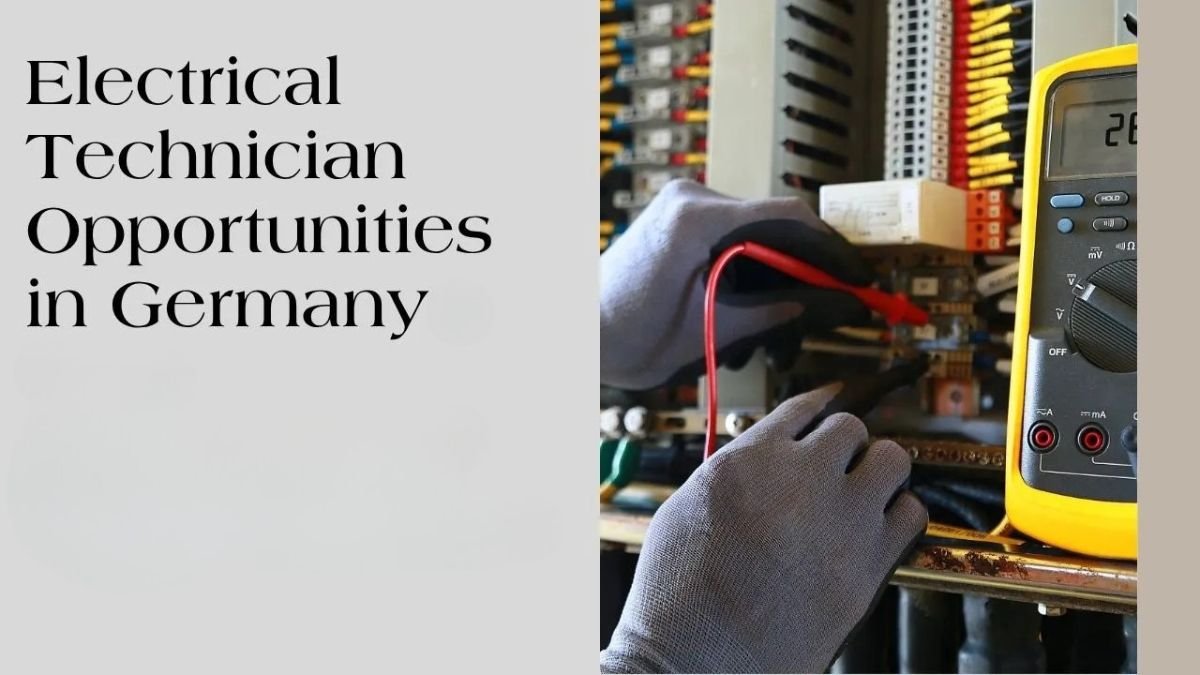
Germany needs more electrical technicians in 2026. The country has over 100,000 open jobs in this field. Factories, buildings, and green energy projects create these spots. Many employers offer visa help to bring workers from other countries. You can get a good job with fair pay if you have the right skills.
Current Demand for Electrical Technicians
Electrical technicians set up, fix, and care for electrical systems. They work in factories, homes, and power lines. Germany’s green energy plan needs lots of them. Wind farms and solar panels require wiring experts. Older workers retire, so new ones must step in.
Right now, Glassdoor shows 260 job ads for electrical technicians in September 2026. Indeed lists 458 jobs that include visa support. These jobs sit in big cities like Berlin, Munich, and Hamburg. Companies in green energy and car making hire the most. Siemens and Deutsche Bahn look for workers to update their systems.
Here are the main reasons for this need:
- Renewable energy grows fast. Solar and wind setups need wiring skills.
- Factories add smart machines. Workers handle control systems.
- New buildings go up. Safe electrical work is a must.
- Not enough local workers. The new law helps bring in tradespeople.
This helps you. Jobs care more about real work experience than perfect German at the start. Many places give training on the job.
Qualifications and Requirements
You need training to work as an electrical technician in Germany. Most jobs want a two-to-four-year program in electrical work or energy systems. If you trained outside Germany, the IHK checks it. This takes up to three months.
Here is what jobs ask for:
- Education: Finish a vocational course or get a degree in electrical engineering.
- Experience: Work two years in fixing, installing, or service.
- Skills: Know systems like Siemens S7, safety rules, and problem fixing.
- Language: A2 German for basic jobs; B1 for harder ones. English works in tech companies.
- Age: Over 45? Show pension plans or earn over €53,130 a year.
Your job fits the shortage list for visas. Use the Skilled Worker Visa or EU Blue Card. No degree? Your training counts if IHK approves it. Start the check early.
Visa Sponsorship Options for 2026
Germany changed rules in 2026 to get more skilled workers. The Skilled Immigration Act makes it easy for non-EU people. Sponsorship means your boss helps with your work permit. You need a job offer to apply. Shortage jobs speed things up.
Here are the key visa types:
- Skilled Worker Visa (Section 18a): For trained technicians. Lasts up to four years. Leads to permanent stay.
- EU Blue Card: For pay over €43,800 in needed fields. Family can join right away. Move in EU.
- Opportunity Card (Chancenkarte): Points for skills, experience, and German. Lets you search for jobs one year.
Follow these steps to apply:
- Get a job offer from a company that sponsors.
- Send papers to the German embassy: passport, job contract, training proof.
- Get okay from the Federal Employment Agency.
- Pick up your visa. Apply for residence permit when you arrive.
In 2026, online tools cut wait time to 4-8 weeks. Many companies pay fees and help you move. They even offer German classes. Firms like SAP and hospitals sponsor technicians.
| Visa Type | Minimum Salary (2026) | Duration | Family Allowed? |
|---|---|---|---|
| Skilled Worker Visa | €32,000 (trades) | Up to 4 years | Yes, after approval |
| EU Blue Card | €43,800 (shortage) | 1-4 years | Yes, immediate |
| Opportunity Card | N/A (points-based) | 1 year (job search) | No, initially |
Check make-it-in-germany.com for the latest info.
Salary Expectations and Benefits
Electrical technicians make good money in Germany. Most earn €40,000 to €50,000 gross per year. New workers start at €32,000. With five years, it goes to €60,000. Hourly pay is €20 to €30.
What affects your pay:
- Experience: 1-4 years gets €36,000; 5+ years gets €47,000 or more.
- City: Munich pays 10-15% extra over small towns.
- Type of work: Green energy and cars pay €46,000 on average.
- Extra hours: Add €200 to €600 a month.
You get these extras:
- Health insurance and pension from the job.
- 30 days off with pay each year.
- Help with housing or moving costs.
- Free training for German papers.
After taxes, you keep 60-70% of gross pay. Rent in Berlin costs €800 to €1,200 a month. This leaves room for a nice life.
Application Process and Job Search Tips
Target your search to find sponsor jobs. Use sites that list visa help.
Best places to look:
- Indeed.de: Type “electrical technician visa sponsorship” for 400+ jobs.
- Glassdoor.de: 264 listings; read company feedback.
- Make-it-in-Germany.com: Official site with shortage job filters.
- Arbeitnow.com: Lists companies open to visas.
- LinkedIn: Connect with recruiters at Siemens or Bosch.
How to apply:
- Make a one-page CV in German style. Focus on skills.
- List your training and past jobs clear.
- Send 20-30 applications each week.
- Practice interviews. They ask about wiring and safety.
- Call companies to ask about sponsorship.
Agencies like Hays and Adecco help with trade jobs. Show skills that match EU rules. Start now—most hiring happens in spring 2026.
Living and Working in Germany as a Technician
Life in Germany suits workers well. Trains run on time. Laws protect your rights. Stuttgart has many engineering jobs. Food costs €300 a month. Bills run €150.
Tips to fit in:
- Take free language classes from your boss.
- Use Duolingo app for quick German lessons.
- Join a union for work help.
You can stay forever after three years. Many bring families. Jobs focus on good work, not long hours.
Frequently Asked Questions
What qualifications do I need for electrical technician visa sponsorship in Germany 2026?
Vocational training in electrical engineering plus two years’ experience; foreign credentials require IHK recognition.
How much does an electrical technician earn in Germany with visa sponsorship?
Average gross salary ranges from €32,000 to €50,000 annually, depending on experience and location.
Which visa is best for electrical technicians moving to Germany in 2026?
The Skilled Worker Visa suits trades; EU Blue Card fits if salary exceeds €43,800.
How long does the visa process take for electrical jobs in Germany 2026?
Typically 4-8 weeks via digital portals, faster for shortage occupations like technicians.