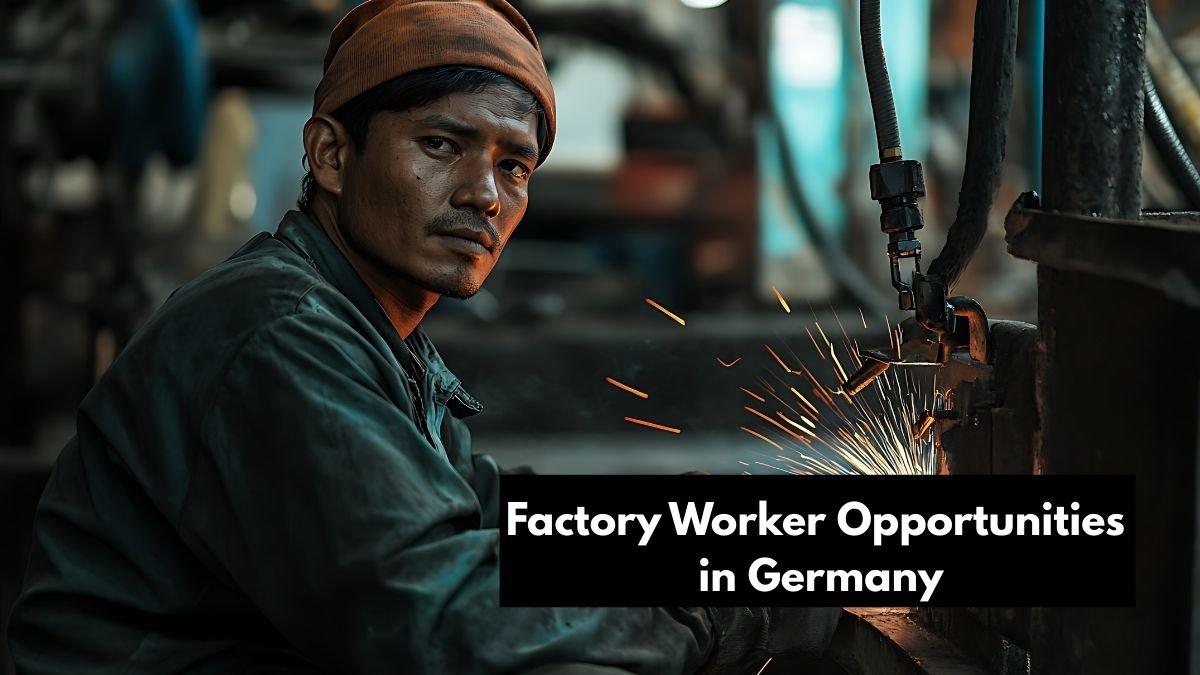
Germany stands as a top choice for international workers seeking stable entry-level roles in manufacturing. With over 639,000 job openings reported in early 2026, many in industrial sectors, the country faces labor shortages that create real chances for less skilled foreigners.
Factory positions, such as assembly line tasks and packaging, often come with employer-backed work permits. These jobs suit those with basic abilities, like following simple instructions or handling repetitive work.
In 2026, updates to Germany’s Skilled Immigration Act ease access for qualified roles, though truly unskilled spots remain limited to temporary or seasonal setups.
Why Factory Jobs in Germany Appeal to Less Skilled Workers
Germany’s manufacturing sector powers much of its economy, from cars to electronics. For those without advanced training, factory work offers a straightforward path to earn a living while building routine skills.
Employers value reliability and a strong work ethic over formal education. In 2026, the focus stays on filling gaps in production lines, where hands-on tasks keep operations smooth.
These roles provide more than just pay. Workers gain exposure to efficient systems that teach practical habits, like teamwork and safety protocols. Plus, Germany’s fair labor rules ensure paid breaks, health coverage, and overtime options.
Short-term contracts can lead to steady employment if you show up on time and adapt quickly. Many factories run in shifts, giving flexibility for rest or family time. Overall, it’s a solid start for anyone from abroad looking to contribute without needing years of experience.
Main Types of Factory Worker Positions Open in 2026
Factory jobs vary by industry but share simple demands. Most involve physical tasks that anyone fit enough can learn fast. Here’s a quick look at common openings:
- Assembly Line Operator: Fit parts together on belts. No tools needed beyond basics; training happens on-site.
- Packaging Specialist: Wrap and box products for shipping. Focuses on accuracy and speed.
- Machine Feeder: Load materials into equipment. Involves standing and light lifting.
- Quality Checker: Spot defects in finished items. Relies on keen eyes, not tech skills.
- Warehouse Support: Move goods within plants. Often includes forklift basics after short lessons.
These positions pop up in auto parts, food processing, and consumer goods. Demand rises in regions like Bavaria and North Rhine-Westphalia, where big plants operate. Salaries start around €10-€14 per hour, translating to €1,800-€2,500 monthly for full-time hours. Benefits like transport help often add value.
Visa Options for Less Skilled Factory Workers
Getting legal permission to work is key, and Germany ties it to job offers. Unlike some nations, employers here don’t need special licenses to hire abroad—they just provide contract details for your application. In 2026, the Skilled Immigration Act lowers barriers, but factory roles for beginners fall under specific paths.
For less skilled applicants, options include:
- Temporary Work Visa (Section 19c Residence Act): Suits short-term factory gigs in shortage areas. Lasts up to a year, renewable if needed. Requires a job contract showing fair pay.
- Opportunity Card (Chancenkarte): A points-based entry permit for job hunting. Score points for age under 35, basic German, or any work history. Allows six to twelve months to find factory work without a prior offer.
- Seasonal Employment Visa: Fits harvest-related factories, like food packing. Up to nine months, with easy renewal for repeat seasons.
No degree? That’s fine for these. But you must prove financial stability, like €12,324 in savings for a year. Language isn’t always required upfront—many sites use English signs—but basic German helps daily chats. If over 45, show pension plans or higher earnings potential. Apply at your local German embassy with the employer’s letter; processing takes 4-12 weeks.
Step-by-Step Guide to Securing a Sponsored Factory Job
Applying feels straightforward once you know the steps. Start early to beat competition. Here’s how:
- Build Your Profile: Craft a one-page CV in English or German. List any hands-on experience, like home repairs or team jobs. Add a short cover letter explaining your interest in Germany’s work culture.
- Hunt for Openings: Use free sites to filter “visa support” or “entry-level manufacturing.” Target firms known for international hires.
- Reach Out: Send tailored applications. Follow up politely after a week.
- Interview Prep: Expect video calls. Practice answers on safety and teamwork. Dress neat.
- Seal the Deal: Accept the offer, get the contract, then file for visa. Employers often guide paperwork.
- Move and Settle: Arrive, register locally within two weeks, and join health insurance.
Stay patient—strong applications win out. Track progress with a simple notebook.
Leading Companies Offering Factory Roles with Visa Backing
Several major players hire globally for production lines. They handle sponsorship for reliable starters. Below is a table of top ones active in 2026, based on recent listings:
| Company | Key Locations | Typical Roles | Starting Pay (Monthly) | Sponsorship Notes |
|---|---|---|---|---|
| Volkswagen | Wolfsburg, Emden | Assembly, parts handling | €2,000-€2,400 | Supports temporary visas for shifts |
| BMW | Munich, Regensburg | Packaging, quality checks | €2,100-€2,500 | Offers relocation aid for non-EU |
| Siemens | Berlin, Nuremberg | Machine feeding, warehouse | €1,900-€2,300 | Fast-tracks Opportunity Card users |
| Bosch | Stuttgart area | Line operators, loaders | €2,000-€2,400 | Prioritizes quick learners |
| Amazon (plants) | Dortmund, Leipzig | Sorting, packing in facilities | €1,800-€2,200 | Seasonal sponsorship common |
These firms post on their career pages. Check weekly for fresh spots.
Life as a Factory Worker: What to Expect Daily
Shifts run 8-12 hours, often 40-45 weekly, with weekends off in rotations. Tasks repeat but build confidence fast. Safety gear comes free, and breaks include hot meals. Coworkers from many places make it welcoming—English works in mixed teams. Outside work, explore affordable cities with parks and markets. Health checks are routine, covered by public insurance. Over time, promotions to leads add €200-€300 monthly. It’s tiring but rewarding, with holidays and sick pay built in.
Quick Tips for Success in Your Application
To stand out without fancy skills:
- Highlight fitness and punctuality in your CV.
- Learn 50 basic German words via free apps.
- Network on LinkedIn with German factory groups.
- Budget €500-€800 for initial travel and setup.
- Join online forums for real worker stories.
These small moves boost your odds.
FAQs
Can I get a factory job in Germany without any experience?
Yes, many entry-level roles train you on-site, as long as you have basic fitness and a job offer for visa support.
How long does visa processing take for unskilled manufacturing work?
It usually takes 4-12 weeks after submitting your contract; faster if your employer pre-files approvals.
What salary can unskilled factory workers expect in 2026?
Most earn €1,800-€2,500 gross monthly, including overtime, with added benefits like health coverage.