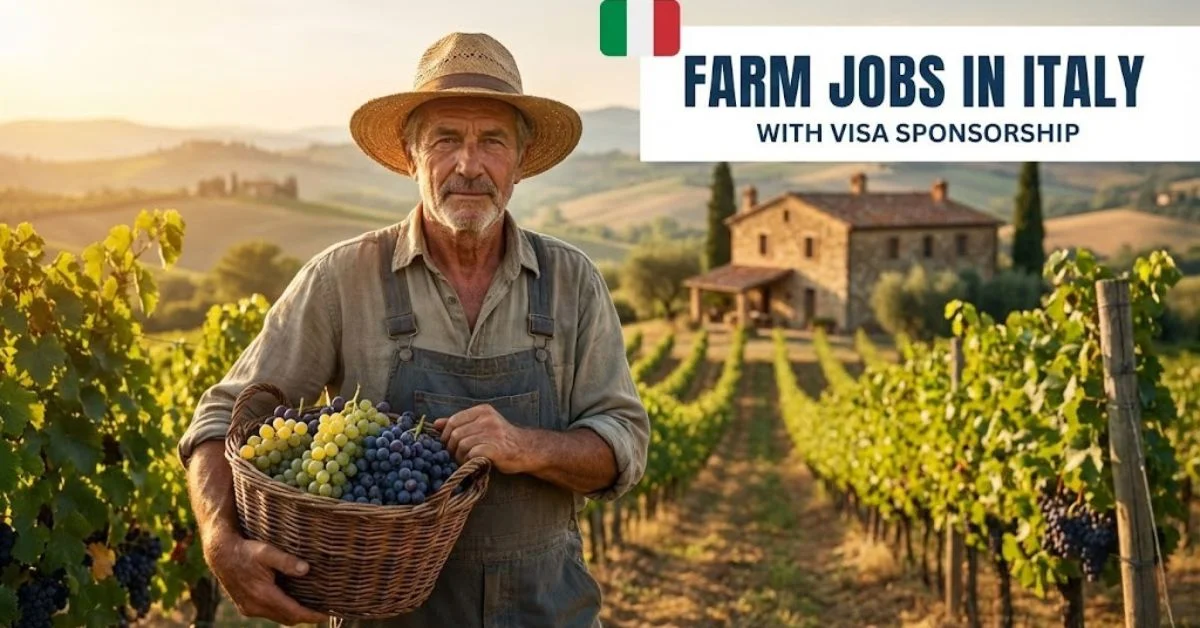
Farm work in Italy offers a chance for people from around the world to join the agriculture sector. Many jobs focus on hands-on tasks that don’t need advanced skills or education. These positions often come with support for visas, making it easier for non-EU workers to apply.
Italy’s farms need help with harvesting crops, caring for animals, and other daily duties. This helps fill labor gaps in rural areas. If you’re looking for entry-level roles, these opportunities can provide steady work and a way to experience life in Europe.
Types of Farm Jobs Available
Italy has a range of farm jobs suited for those with little or no experience. Most are seasonal, lasting a few months during harvest times. Others can be year-round. Farms provide training, so you learn on the job. Here are some common roles:
- Fruit and Vegetable Pickers: You pick ripe produce like grapes, apples, olives, tomatoes, or citrus by hand. This involves checking quality and packing items into boxes.
- General Farm Workers: Tasks include preparing soil, watering plants, sowing seeds, and keeping the farm clean. You might use simple tools for these duties.
- Livestock Assistants: Help care for animals on dairy or poultry farms. This means feeding them, cleaning areas, and checking health.
- Vineyard Workers: Focus on grapevines in wine regions. Duties cover pruning plants, harvesting grapes, and maintaining fields.
- Greenhouse Workers: Work indoors with plants. You sow seeds, fertilize, and monitor growth in controlled spaces.
- Olive Harvesters: Collect olives using hands or basic machines, then sort and move them.
- Dairy Farm Workers: Handle milking, animal care, and farm upkeep.
These jobs suit unskilled workers who are fit and ready for outdoor or physical tasks. Many farms hire through cooperatives or agencies that handle large groups.
To give a clear overview, here’s a simple table of common farm jobs and their main duties:
| Job Type | Main Duties | Typical Season |
|---|---|---|
| Fruit Picker | Picking and sorting fruits | Spring to Fall |
| General Farm Worker | Soil prep, irrigation, cleaning | Year-round |
| Livestock Assistant | Feeding animals, health checks | Year-round |
| Vineyard Worker | Pruning, harvesting grapes | Harvest season |
| Greenhouse Worker | Planting, watering in greenhouses | Year-round |
| Olive Harvester | Collecting and sorting olives | Fall |
| Dairy Farm Worker | Milking, animal care | Year-round |
Understanding Visa Sponsorship for Farm Work
Visa sponsorship means an Italian employer helps you get the legal papers to work there. For non-EU citizens, this often involves seasonal work permits. Employers apply for a clearance called “Nulla Osta” on your behalf. This is part of Italy’s system to bring in workers for agriculture.
The process ties into official quotas set by the government. These allow a certain number of visas for farm roles each year. Farms sponsor workers because they need help during busy times.
Once approved, you get a national seasonal work visa. This lets you stay for 6 to 9 months, depending on the job. Sponsors handle much of the paperwork, but you must provide basic documents.
Keep in mind, sponsorship is common for roles like picking or packing. It makes entry easier for those without EU ties. Always check if your country has agreements with Italy for smoother applications.
Eligibility Requirements
You don’t need fancy qualifications for most farm jobs in Italy. Employers look for reliable people who can handle manual work. Here’s what you typically need:
- A valid passport with at least 1 to 2 years left before it expires.
- Be at least 18 years old, often up to 45 for physical roles.
- Good physical health to stand, bend, lift, and work outdoors in different weather.
- A clean criminal record, shown by a police clearance.
- Basic English skills or a willingness to learn simple Italian phrases.
- No advanced education required—a high school diploma is enough for many.
- Some experience in farming or labor helps but isn’t mandatory; training is provided.
Medical checks might be needed to prove you’re fit. Employers want workers who can commit to the full season. If you’re from a country with bilateral ties to Italy, that can speed things up.
How to Apply for These Jobs
Applying is straightforward if you follow the steps. Start by preparing your documents early. Many use online job sites or agencies. Here’s a numbered guide to help:
- Prepare Your Resume: Keep it simple. Include your name, age, contact info, nationality, and any labor experience. Add a note about seeking visa sponsorship.
- Search for Openings: Look on sites like Indeed, LinkedIn, or EURES (the EU job portal). Search terms like “seasonal farm work Italy” or “agriculture jobs with visa.” Contact Italian farm cooperatives like Coldiretti.
- Submit Applications: Send your CV, passport copy, and a short cover letter. Mention availability for farm roles and need for sponsorship.
- Interview Stage: Expect a phone or video call. They check if you’re ready for the work and relocation.
- Get the Offer: If selected, the employer sends a job letter with details on role, pay, and sponsorship.
- Visa Process: Employer applies for Nulla Osta. You then go to the Italian embassy in your country with the offer and other papers.
- Travel and Start: Once approved, head to Italy. Sign the final contract on arrival and register locally.
Apply during open windows for quotas. Avoid paying high fees to agents—legit employers handle sponsorship for free or low cost.
Salaries and Benefits
Pay for farm work in Italy is fair and follows national rules. Hourly rates range from €6 to €14, based on the region, crop, and your experience. Monthly earnings often fall between €1,100 and €1,800 for full-time roles. You might get piece-rate pay, where you earn based on how much you pick. Overtime adds extra during peak times, like 8-10 hours a day, 5-6 days a week.
Benefits make these jobs appealing for beginners. Many farms offer:
- Free or low-cost accommodation, like shared rooms on the property.
- Meals or food subsidies to keep costs down.
- On-the-job training in safety and tasks.
- Legal work status through sponsorship, which can lead to renewals.
- A chance to save money since living expenses are covered.
- Cultural perks, like living in scenic rural areas.
Contracts ensure fair treatment. Year-round jobs might offer longer stays, while seasonal ones focus on harvest periods.
Regions Where Jobs Are Common
Italy’s diverse landscapes mean jobs vary by area. Northern regions like Lombardy have dairy and apple farms. Tuscany in the center is famous for vineyards and olives. Southern spots focus on citrus and vegetables.
Rural areas provide most opportunities, away from big cities. This means relocating to countryside spots, but it offers a peaceful setting. Larger cooperatives in these regions often sponsor more workers.
Tips for Success as a Farm Worker in Italy
Starting farm work in Italy can be rewarding if you’re prepared. Focus on building stamina for long days. Learn basic Italian words to communicate better with teams. Pack for weather changes—rain gear and sturdy shoes help.
Stay reliable by showing up on time and following rules. Network with other workers for tips on renewals. Respect farm safety to avoid issues. Embrace the lifestyle; it builds skills and opens doors to more roles. With the right attitude, these jobs provide a solid start in agriculture.
Farm work in Italy with visa sponsorship opens paths for many. It combines practical tasks with legal support. If this fits your goals, start searching today.
The process takes effort, but the rewards include steady pay and new experiences. Keep documents ready and apply through trusted channels for the best shot.