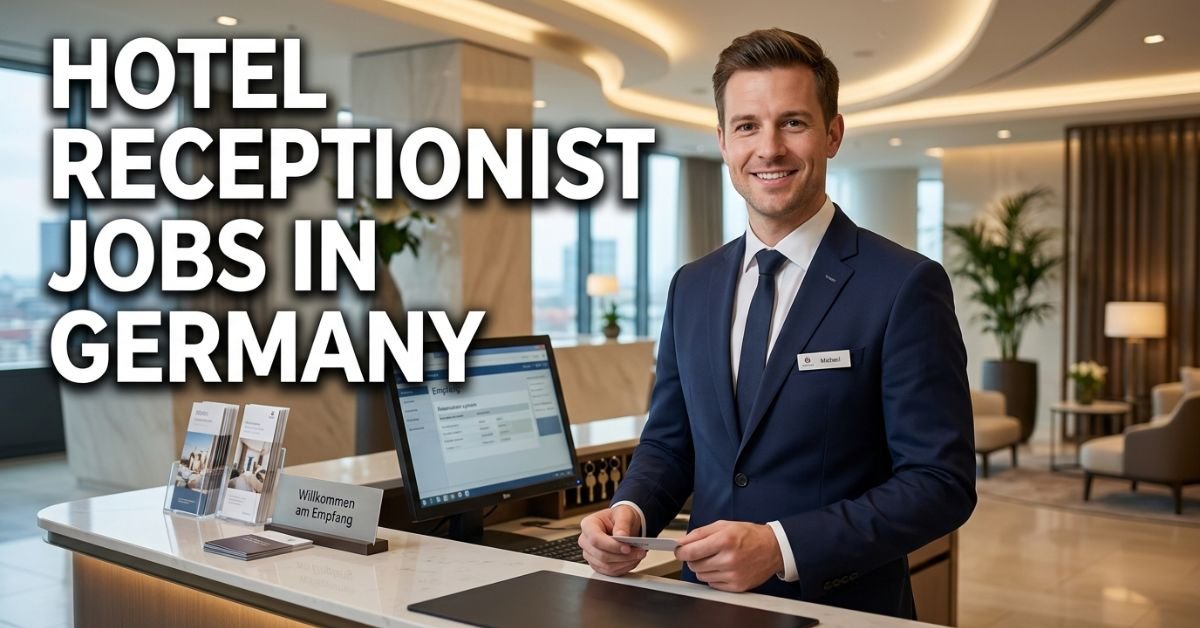
Working as a hotel receptionist in Germany is a popular choice for people looking to enter the European job market. The hospitality sector is a major part of the German economy, and there is a constant demand for staff to manage front-desk operations.
This role is often accessible to those with limited professional experience, as many hotels value personality and communication skills over advanced degrees. Germany offers a structured environment where workers are protected by clear labor laws and receive fair compensation.
For those moving from abroad, these positions provide a steady start in a country known for its high standard of living and career growth opportunities.
Core Duties and Daily Tasks
A hotel receptionist serves as the first point of contact for every guest who enters the building. The primary goal of the role is to ensure that visitors feel welcome and that their stay is organized efficiently. In a typical day, a front-desk agent handles several key tasks that keep the hotel running smoothly.
- Guest Check-in and Check-out: This is the most common task. You will welcome guests, verify their identification, and provide them with room keys. When they leave, you process their final bill and ensure they had a good stay.
- Managing Reservations: You will use computer systems to take new bookings, change existing dates, or cancel rooms when needed. This requires focus and accuracy to avoid double-booking rooms.
- Handling Inquiries: Guests often ask for help with local directions, restaurant recommendations, or transport options like taxis and trains. Being helpful and polite is essential here.
- Phone and Email Management: The reception desk is the hub for communication. You will answer phone calls from people wanting to book rooms and reply to emails from business travelers or tourists.
- Processing Payments: You will handle cash, credit cards, and digital payments. Accuracy in bookkeeping is important to make sure the hotel’s financial records are correct at the end of each shift.
Basic Requirements for Entry-Level Candidates
You do not always need a university degree to start working at a hotel front desk. Many hotels in Germany are willing to hire “career changers” or individuals who are new to the workforce. However, there are specific basic requirements that help you stand out and perform the job well.
- Language Skills: Communication is the heart of the job. Most hotels require at least a basic understanding of German, often at an A2 or B1 level. Since Germany is a top destination for international tourists, proficiency in English is also very important.
- Soft Skills: Having a friendly and helpful attitude is more important than technical skills in this field. You must be able to remain calm under pressure, especially during busy check-in times.
- Basic Computer Knowledge: You will need to use a Property Management System (PMS) to track room availability. While you will likely receive training on the specific software, being comfortable with basic computer tasks is necessary.
- Reliability and Punctuality: Hotels operate 24 hours a day. This means receptionists often work in shifts, including early mornings, late evenings, and sometimes overnight. Being on time for your shift is critical.
The Opportunity Card for International Job Seekers
For people coming from outside the European Union, Germany has introduced the Opportunity Card, known locally as the Chancenkarte. This is a point-based system designed to make it easier for foreign workers to enter the country and look for a job. This is particularly helpful for those who have some vocational training or work experience but do not yet have a formal job offer.
To qualify for this card, you need to prove that you can support yourself financially during your stay. You also earn points based on your age, language skills, and previous experience in the hospitality industry. Once you have this card, you can live in Germany for up to one year to find a full-time position. While searching for a permanent job, you are also allowed to work part-time (up to 20 hours per week), which allows you to gain experience in a German hotel before committing to a long-term contract.
Vocational Training: The Ausbildung Path
If you have no experience at all, the “Ausbildung” system is the best way to start a career in Germany. An Ausbildung is a dual-training program where you work in a hotel and attend a vocational school at the same time. This program usually lasts between two and three years.
- Learning on the Job: You spend part of your week working at the reception desk, in the restaurant, or in the administration office of a hotel. You learn the practical side of the business from experienced professionals.
- Schooling: The other part of the week is spent in a classroom learning about hospitality management, business ethics, and law.
- Earning While Learning: Unlike many students who pay for their education, Ausbildung participants receive a monthly stipend. This amount usually ranges from €800 to over €1,000 per month, depending on the hotel and the region.
- Job Guarantee: Most people who successfully complete their Ausbildung are offered a permanent, full-time job by the hotel that trained them.
Salary and Employment Benefits
Germany has a strict national minimum wage, which ensures that even entry-level workers receive a fair salary. As of the current regulations, the minimum hourly wage is set at €13.90. For a full-time hotel receptionist working 40 hours a week, this translates to a gross monthly salary of roughly €2,400.
In addition to the basic salary, many hotels offer extra benefits to their staff. These can include:
- Shift Bonuses: Extra pay for working at night, on Sundays, or during public holidays.
- Vacation Days: The legal minimum is 20 days per year for a 5-day work week, but most hotels provide between 25 and 30 days of paid leave.
- Travel Discounts: Employees often get significant discounts on hotel stays within the same brand or hotel group.
- Training Programs: Many large hotel chains provide free language courses or customer service workshops to help you grow professionally.
How to Find and Apply for Positions
Finding a job at a hotel front desk in Germany is straightforward if you know where to look. Most hiring happens online through specialized job portals and the official websites of hotel groups.
- General Job Boards: Websites like StepStone and Indeed are filled with listings for “Empfangsmitarbeiter” (Receptionist) or “Front Office Agent.”
- Specialized Hospitality Sites: Portals like Turijobs or Hotelcareer focus specifically on the tourism industry and often have more detailed listings.
- Direct Applications: Large chains such as Marriott, Hilton, and Leonardo Hotels have dedicated career pages. You can apply directly to them even if you are abroad.
- The Federal Employment Agency: The Bundesagentur für Arbeit has a website called “Make it in Germany,” which is designed specifically for international workers to find legal employment.
Summary of Hotel Receptionist Roles
The following table provides a quick overview of what you can expect when looking for these positions.
| Feature | Details |
| Common Job Titles | Front Office Agent, Receptionist, Night Auditor |
| Average Starting Salary | €2,400 – €2,700 Gross per month |
| Standard Work Hours | 38 to 40 hours per week (Shift work) |
| Minimum Language Level | German (A2/B1) and English (B1/B2) |
| Education Requirement | High School Diploma or Vocational Training (Ausbildung) |
| Visa Options | Opportunity Card, Work Visa, or Ausbildung Visa |
Practical Tips for Success
When applying for a job in a German hotel, your resume (CV) should be clear and well-organized. It is highly recommended to have your CV translated into German, even if the job description is in English. This shows respect for the local culture and proves that you are serious about integrating into the workforce.
During an interview, focus on your communication skills. German employers value punctuality, honesty, and a professional appearance. If you are applying from another country, be prepared to explain your current language level and your plans for moving to Germany.
Showing that you have already started learning German or have researched the local area will give you a significant advantage over other candidates.
The hospitality industry in Germany is looking for motivated individuals who enjoy helping others. Whether you start through a direct job application or a vocational training program, the path to becoming a hotel receptionist is open to anyone willing to learn and work hard.