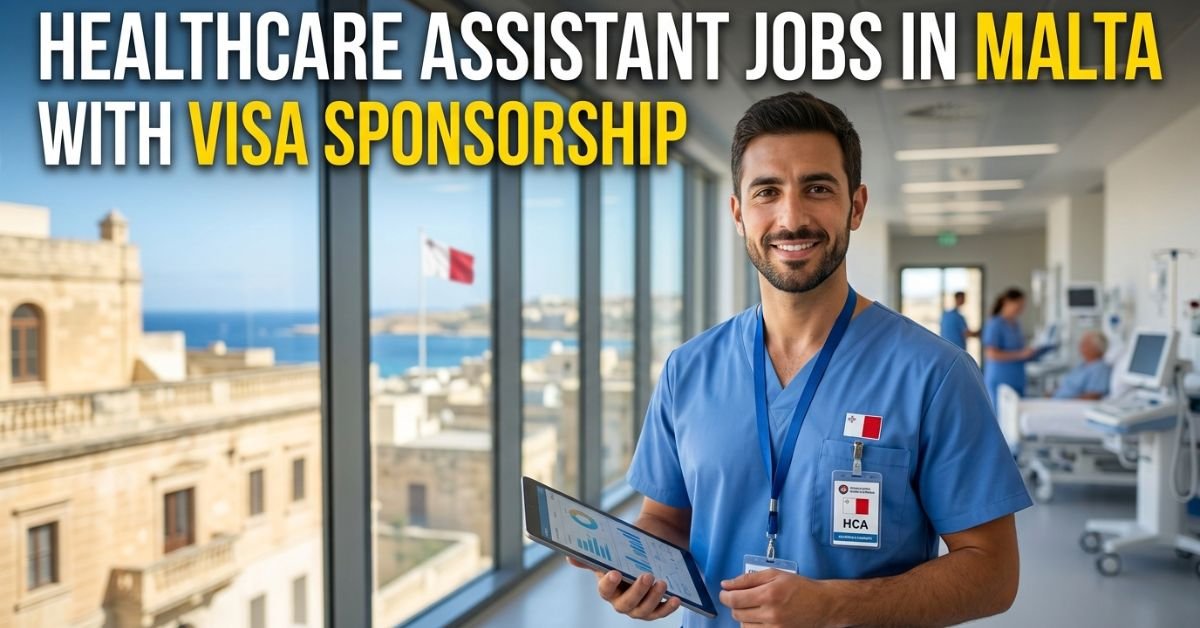
Malta has become a top choice for individuals looking to start a career in the healthcare sector. The country’s growing healthcare system and aging population have created a significant demand for healthcare assistants and care workers.
For many people coming from outside the European Union, the prospect of finding a job that offers visa sponsorship is a life-changing opportunity.
Understanding the Role of a Healthcare Assistant in Malta
A healthcare assistant, often referred to as a care worker or HCA, plays a vital role in the Maltese medical system. They provide essential support to nurses and doctors by looking after the daily needs of patients.
This job is perfect for people who are naturally compassionate and enjoy helping others. Because this is often considered an entry-level position, it is accessible to those who are willing to learn on the job.
The primary responsibilities usually include helping patients with personal hygiene such as bathing and dressing. You will also assist with mobility, helping patients move from their beds to chairs or walking around the facility.
Additionally, healthcare assistants help during meal times by serving food and assisting those who cannot feed themselves. Monitoring a patient’s condition by taking basic measurements like temperature or pulse is also part of the daily routine.
Why Malta is a Great Choice for Healthcare Workers
Malta offers a unique environment for international workers. The official languages are Maltese and English, which makes it much easier for English-speaking foreigners to integrate into the workplace and daily life.
The healthcare system in Malta is highly regarded and consists of both public hospitals, like Mater Dei, and numerous private clinics and elderly care homes.
One of the biggest advantages of working in Malta is the Mediterranean lifestyle. The weather is sunny for most of the year, and the country is known for its safety and friendly local population.
For healthcare assistants, the work culture is generally supportive, and there are many opportunities to gain certifications that can lead to higher-paying nursing roles in the future.
Essential Requirements for Unskilled and Less Skilled Applicants
Even if you do not have a university degree, you can still qualify for a healthcare assistant position in Malta. Employers look for a specific set of basic qualities and certifications.
The most important requirement is a functional command of the English language, as you must be able to communicate clearly with patients and medical staff.
Most employers require an MQF Level 3 or Level 4 certificate in health and social care. If you do not have this, many private care homes in Malta provide training programs or accept equivalent experience from your home country.
You will also need a clean criminal record (police conduct certificate) and a medical fitness certificate to prove you are healthy enough to perform physical tasks.
The Visa Sponsorship Process: The Single Permit
For non-EU citizens, the path to working in Malta is through the “Single Permit” process. This permit combines both a work permit and a residence permit into one application. The process is employer-led, which means you must first find a job and receive a contract before you can apply for the visa.
Once an employer decides to hire you, they will submit the application to Identità (the Maltese government agency responsible for these permits). The employer must prove that they were unable to find a suitable candidate from Malta or the EU before offering the position to a third-country national.
This is why “Visa Sponsorship” is so important; the employer handles much of the legal paperwork and justifies your employment to the government.
Overview of Requirements and Benefits
| Feature | Details |
| Common Job Titles | Care Assistant, Healthcare Support Worker, Nursing Aide |
| Minimum Education | High School Diploma or MQF Level 3 Certificate |
| Language Skills | Proficient in English (Maltese is a plus) |
| Typical Shift Type | Rotational (Day, Night, and Weekends) |
| Visa Type | Single Permit (Work & Residence) |
| Primary Employers | Public Hospitals, Private Clinics, Elderly Care Homes |
Where to Find Healthcare Assistant Jobs
Finding the right employer is the first step toward relocation. There are several ways to search for these opportunities:
- Public Healthcare Sector: Keep an eye on the official government recruitment portals. While many roles are reserved for locals, certain specialized or high-demand care roles are opened to international applicants.
- Private Care Agencies: Companies like CareMalta and Vassallo Group are among the largest private providers of elderly care in the country. They frequently recruit healthcare assistants from overseas.
- Recruitment Agencies: Many agencies in Malta specialize in healthcare staffing. They act as a bridge between you and the employer, often helping with the initial interview process and guiding you through the document submission.
- Online Job Portals: Websites like Keepmeposted, Jobsplus, and LinkedIn are frequently updated with new care worker vacancies.
Key Documents You Will Need
To make your application successful, you should have your documents ready in a digital format. Having these organized will speed up the visa sponsorship process once you find an employer.
- An Updated CV: Use a clean, professional format (Europass is highly recommended in Malta). Focus on any experience you have in caregiving, even if it was unpaid or for a family member.
- Reference Letters: Letters from previous employers that speak to your character and work ethic are very valuable.
- Educational Certificates: Any diplomas or training certificates you have earned.
- Valid Passport: Ensure your passport has at least 6 to 12 months of validity remaining.
- Clean Police Records: You will need an official document from your home country stating you have no criminal history.
Steps to Apply for a Healthcare Job in Malta
The journey from your home country to a hospital or care home in Malta follows a specific sequence.
- Step 1: Preparation. Update your CV to meet European standards and highlight your soft skills like patience and empathy.
- Step 2: Job Search. Apply directly to private care homes or through registered recruitment agencies in Malta.
- Step 3: The Interview. Most interviews for international candidates are conducted via video calls. Be prepared to talk about how you handle difficult situations and why you want to work in healthcare.
- Step 4: The Offer. If successful, you will receive a “Letter of Intent” or a “Work Contract.”
- Step 5: Visa Application. Your employer will submit your application to Identità. You will receive an “Approval in Principle” letter, which allows you to apply for an entry visa at a Maltese embassy or VFS Global center.
- Step 6: Relocation. Once your visa is stamped, you can travel to Malta, complete your medical checks, and collect your residence card.
Salary and Cost of Living Considerations
As a healthcare assistant, you can expect a stable income that typically ranges between €1,200 and €1,600 per month, depending on your experience and the number of extra shifts or night duties you take on. While this may seem modest, many healthcare workers find it sufficient to live comfortably, especially if they share accommodation with colleagues.
Malta’s cost of living is relatively affordable compared to major cities in Northern Europe, but rent in popular areas can be high. Many healthcare assistants choose to live in areas slightly away from the main tourist hubs to save money. Public transport is efficient and free for residents with a Tallinja card, which helps keep daily expenses low.
Final Advice for Potential Applicants
Entering the healthcare field in Malta is an excellent path for those looking for a stable future in Europe. The work is demanding and requires a high level of dedication, but the rewards—both financial and personal—are significant. Always ensure you are dealing with registered employers and reputable agencies to avoid scams.
Legitimate employers in Malta will not ask you to pay for the job itself, although you may be responsible for your own visa processing fees or medical tests.
By focusing on your English skills and gaining even a basic certification in caregiving, you significantly increase your chances of securing a position with visa sponsorship. Malta continues to welcome hardworking individuals who are ready to contribute to its healthcare community.